
The Tomato Price Crisis in Nigeria: Why Housewives and Businesses Are Struggling
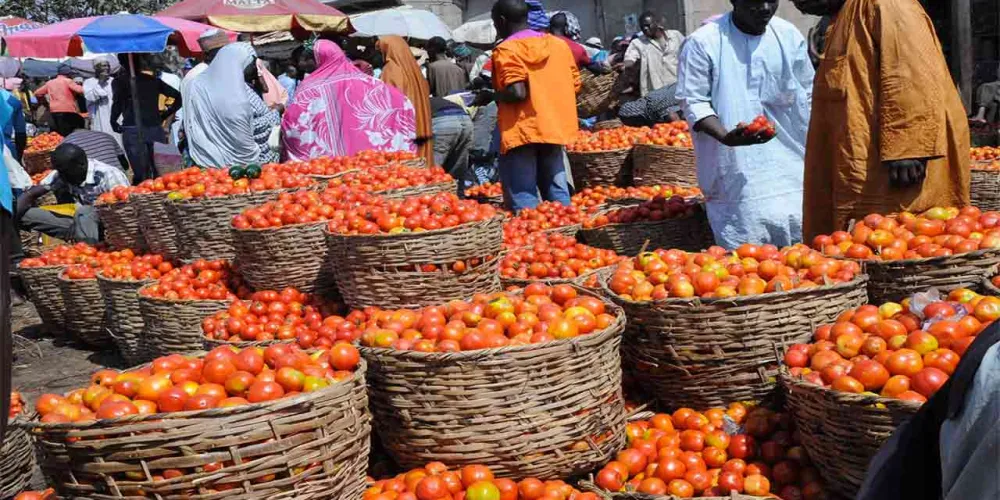
Nigerians are currently grappling with an unprecedented surge in tomato prices, creating widespread frustration among households and catering businesses. Buyers have reported severe financial losses; for example, a single basket of tomatoes from Jos has reached N120,000, with many consumers complaining that the product quality is poor, often containing unripe or spoiled produce underneath. Traders like Ibrahim Aminu attribute this crisis to poor farming conditions in the North, where alternating periods of rainfall and drought have severely disrupted crop yields.
The situation has forced catering companies to adopt austerity measures. Many operators are now reducing the quantity of fresh tomatoes used in meals or supplementing them with tomato paste to manage rising costs. Some business owners shared that they have had to settle workers from their own pockets because initial payments for events no longer cover the high cost of ingredients. Other commodities are also affected, with pepper and ginger prices soaring due to similar adverse weather conditions in the northern regions.
Sani Danladi-Yadakwari, National Secretary of the National Tomato Growers, Processors and Marketers Association of Nigeria (NATPAN), describes the current situation as a seasonal supply crisis exacerbated by insecurity and the absence of major industrial off-takers. The lack of reliable processing companies to absorb excess supply leaves farmers vulnerable. Large firms such as Dangote Tomato Processing Company and GBFoods have either scaled back or stopped purchasing fresh tomatoes, leading farmers to fear investing in further production.
Security challenges in farming communities are compounding the crisis, with many farmers abandoning their fields, which threatens supply levels for the coming year. These issues are further worsened by climate change and the destructive Tuta absoluta pest. According to Danladi-Yadakwari, climate change has significantly impacted production cycles, noting that seeds that previously germinated in 21 days now require nearly 40 days due to excessive heat.
To address these systemic issues, NATPAN is urging farmers to adopt greenhouse farming and is calling on the government to invest in solar-powered irrigation systems to replace fuel-intensive methods, thereby reducing production costs. While there is optimism that supply will improve from August as rainy-season harvests hit the markets, industry experts stress that long-term stability will require significant structural investment and improved security for agricultural producers.
Not yet comments. Be the first!
Comments · 0