
Tasmanian Farms Under Threat: Serpentine Leafminer Detected for First Time
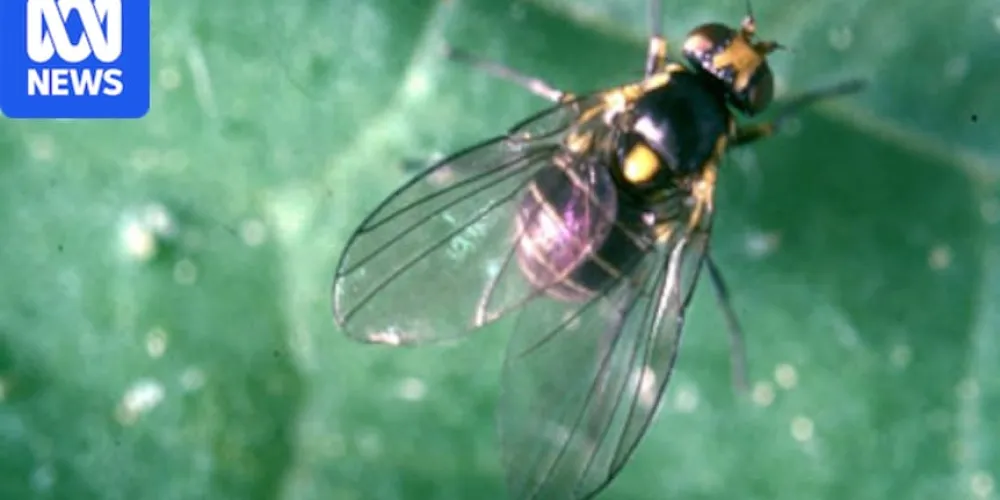
Biosecurity Tasmania has issued an urgent alert following the first-ever detection of the invasive serpentine leafminer, Liriomyza huidobrensis, within the state. The high-risk agricultural pest was identified at a commercial growing operation located in Tasmania's north-west as of June 24, 2026. This discovery marks a critical moment for the region's agricultural sector, as authorities move swiftly to contain and manage the potential spread of an insect known for its devastating impact on a wide array of crops. The pest's presence has been confirmed interstate since at least 2020, highlighting a persistent threat that has now reached Tasmanian shores.
The serpentine leafminer, a species of leaf-mining fly, inflicts damage through its larvae, which burrow and create distinctive "mines" or squiggly white lines within plant leaves as they feed. This internal damage significantly impairs the plant's ability to photosynthesise, a crucial process for growth and development. The compromised photosynthetic capacity inevitably leads to reduced plant growth and, ultimately, substantial decreases in crop yields. The insect's method of attack makes early detection challenging, as the damage is often internal before becoming visibly apparent on the leaf surface.
This aggressive pest is known to affect more than 200 different species of host plants, spanning a broad spectrum of horticultural and vegetable crops. Major commercial hosts particularly vulnerable to infestation include essential food crops such as potatoes, beans, peas, brassicas, lettuce, celery, and tomatoes. Furthermore, pumpkins and other gourds are also susceptible, along with various ornamental plants, which broadens the scope of potential economic and ecological harm. The extensive host range makes this leafminer a particularly challenging pest to control once established within an agricultural ecosystem.
In response to this alarming detection, Biosecurity Tasmania has immediately implemented comprehensive site-specific directions aimed at controlling and minimising the further spread of the serpentine leafminer. These measures include intensive surveillance and tracing activities across the region to ascertain the full extent of the infestation and identify any additional affected areas. Authorities stress the difficulty in accurately diagnosing the serpentine leafminer, as other leafminer species are common in Tasmania. Definitive identification typically requires rearing larvae through to the adult stage for morphological analysis or conducting precise molecular testing, which takes time and specialized resources.
To bolster monitoring efforts and aid in early detection, Biosecurity Tasmania is actively urging the public and, particularly, commercial growers, to report any suspicious leafminer activity. Specific attention should be given to heavy leafminer infestations observed on commercially grown plants, especially if those plants have not experienced such infestations previously. Reports are also encouraged for leafminer damage on plants not commonly affected by the leafminer species already prevalent in Tasmania. This includes a diverse list of plants such as aster, artichoke, calendula, carnations, celery, cucumber, coriander, gladioli, marigolds, pumpkin, ranunculus, squash, sunflower, verbena, viola, and zucchini.
The proactive involvement of the community and agricultural stakeholders is considered vital in mitigating the threat posed by this new invasive pest. A full list of susceptible plants and further guidance on identification can be found on the Biosecurity Tasmania website. Reports can be made directly by phoning Biosecurity Tasmania on 1300 368 550. Swift reporting will enable a more effective and coordinated response, safeguarding Tasmania’s valuable agricultural industries from the potential widespread damage caused by the serpentine leafminer.
Not yet comments. Be the first!
Comments · 0