
Less snow, less moisture: How a ‘super’ El Niño could impact central Alberta farmers
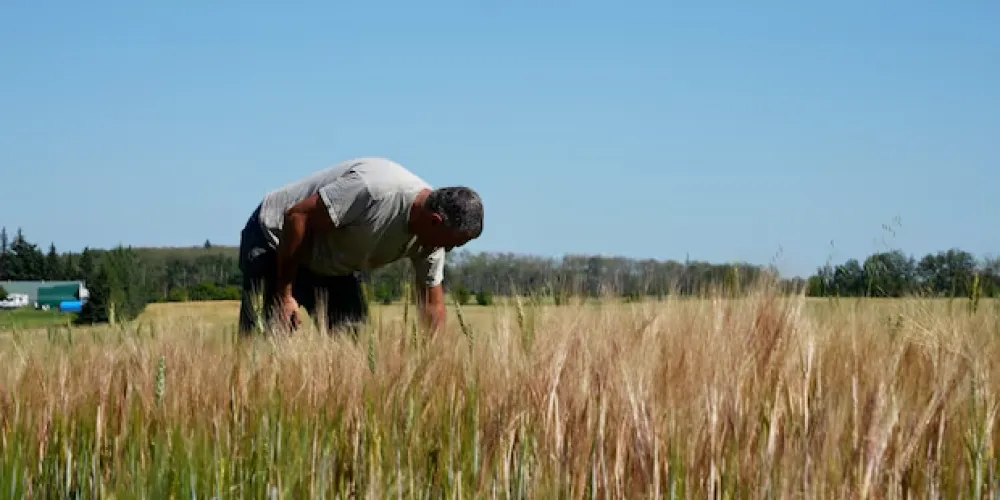
As agricultural producers across central Alberta finish bringing in this year’s crop, a significant weather pattern is developing in the Pacific Ocean that could heavily shape the next growing season. Scientists warn that the Canadian Prairies could face a very strong El Niño event in the coming months, bringing concerns over reduced winter snowpack and declining spring soil moisture.
Marko Markovic, a physical scientist with Environment and Climate Change Canada, stated there is a high probability of experiencing a remarkably strong El Niño, driven by sea surface temperature anomalies never seen before. He explained that anomalies represent the difference from a 30-year climate average, noting that only three recorded events have ever exceeded a 2 C difference. For this upcoming event, probabilities indicate anomalies could surpass 3 C, making it one of the strongest ever documented.
El Niño is characterized by unusually warm waters in the central and eastern Pacific Ocean, typically delivering warmer temperatures, drier conditions, milder winters, and springs to the Canadian Prairies. According to the World Meteorological Organization, global ocean temperatures in July reached record highs, serving as a primary driver behind the intensity of this particular climate surge.
Local producers are taking note of the potential for dry winter conditions following several volatile years. Kevin Bender, a farmer west of Sylvan Lake, experienced his worst crop yield during the 2024 drought followed by record production in 2025. While a mild, dry forecast raises concerns, Bender stated it will not drastically alter his baseline operations; he plans to continue utilizing direct seeding systems and minimum tillage to preserve essential soil moisture.
Jason Lenz, a farmer in Bentley and regional director for the Alberta Canola Producers Commission, highlights that timely spring rainfall remains far more impactful for crops than winter snowfall, which often melts too rapidly into surface run-off before soils can absorb it. However, both farmers acknowledge that adequate winter precipitation and snowpack remain crucial for regional livestock producers, pasturelands, and dugouts.
Not yet comments. Be the first!
Comments · 0