
South African grain farmers warn diesel and fertilizer shock may curb wheat and corn output
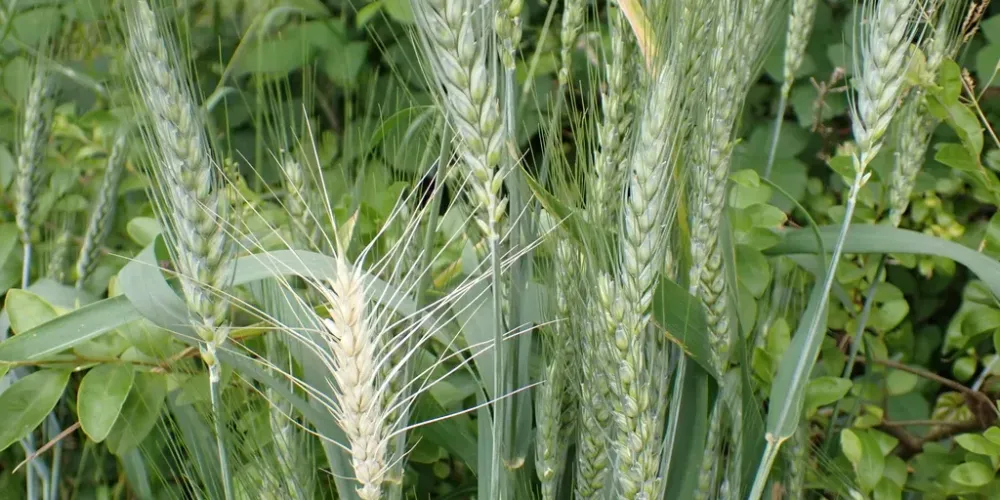
South African farmers are heading into the winter planting season with sharply higher diesel prices and tightening fuel supplies linked to the Middle East conflict. For the country’s commercial grain sector, the timing is critical because production depends heavily on fuel and fertilizer, and supply disruptions during field preparation threaten the scale of the coming crop.
Rossouw Dippenaar, who farms near Riebeek-West about 80 kilometers northeast of Cape Town, said he needs as much as 40,000 liters of diesel to plant wheat but has secured only about 6,000 liters so far. Some retailers are limiting purchases to prevent a run on stocks, leaving producers uncertain about whether they will have enough fuel when planting starts.
Grain SA says the simultaneous rise in diesel and fertilizer prices amounts to one of the biggest cost shocks producers have faced in recent years. Chairman Richard Krige warned that the effect on farm viability, and therefore on food security, could be severe. Since the US and Israel began bombing Iran on Feb. 28, global oil prices have risen by 40% or more and emerging-market currencies including the South African rand have come under pressure.
Preliminary data suggest the country’s monthly diesel price could jump by almost half in April. Fuel and fertilizer together account for about half of production costs for grain farmers. Many producers have already ordered fertilizer, but they expect to pay more when they need to replenish supplies during the season.
The pressure extends well beyond wheat. Sunflower and soybean farmers will need diesel to harvest by the end of March, wheat, barley and canola growers begin planting in April, and corn farmers in Africa’s biggest exporter of the staple crop will start harvesting in late May. If winter grain growers are not convinced that crop prices will rise enough to offset higher input costs, they may cut plantings.
So far, grain markets have not provided that cushion. Wheat prices on the South African Futures Exchange in Johannesburg have risen only 4.9% since the war began, while the most actively traded corn contract is up 9.4%. A much larger increase would feed directly into inflation in a country where bread and corn meal are staple foods and where corn is also a key feed ingredient for beef cattle and poultry.
Economist Corné Louw of Grain SA said farmers are price takers and will either have to absorb the cost increase or decide that planting is no longer profitable. South Africa’s import profile adds to the vulnerability: the country now imports most of the fuel it consumes and about 80% of the 2 million tons of fertilizer it uses each year, with roughly one-third of crop nutrients sourced from the Middle East. That means a prolonged disruption around Hormuz would continue to raise costs across South African crop production.
Not yet comments. Be the first!
Comments · 0