
Conflict near Iran halts Hormuz transit, raises risks for fertilizer supplies and food prices
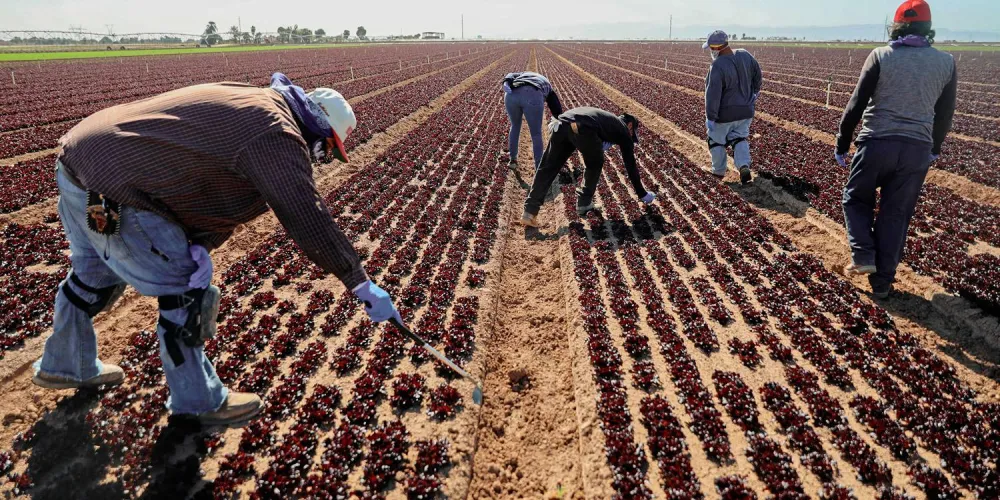
Military action around Iran and related disruptions have effectively stopped transit through the Strait of Hormuz, a vital maritime chokepoint for several commodities, including fertilizers, according to media reports and statements from agricultural groups.
The Strait of Hormuz is a key route for global fertilizer shipments. With transit halted, shipments of nitrogen and other mineral fertilizers face delays, creating short-term supply risks for farmers worldwide.
The American Farm Bureau Federation warned that prolonged disruptions in the Middle East could threaten U.S. food security and drive up consumer food prices. Such developments would directly affect farm input costs and producer margins ahead of planting seasons.
The U.S. administration has announced steps to protect fuel shipments transiting the Strait of Hormuz. Farm groups say those protections should be extended to agricultural inputs like fertilizer to prevent further tightening of the supply chain for growers.
For U.S. farmers preparing for spring planting and fertilizer purchases, interrupted deliveries mean possible postponement of purchases, higher input costs, and logistical challenges. These pressures may increase the cost of production and influence planting decisions this season.
Not yet comments. Be the first!
Comments