
Xi-Trump summit may bring a farm deal, but China’s soybean demand remains restrained
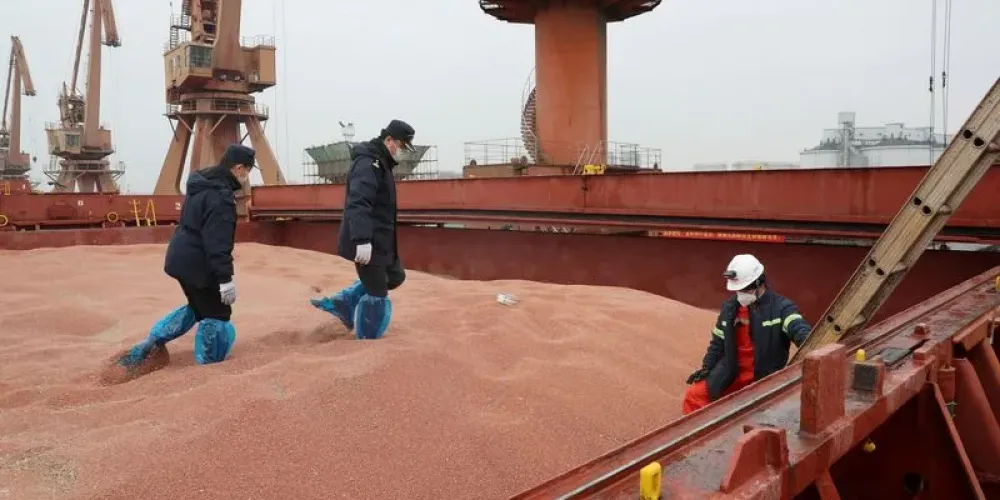
China and the United States may produce a new agricultural understanding at their leaders’ summit, but traders and analysts do not expect a dramatic increase in Chinese purchases of U.S. soybeans. Reuters reported that the May 14-15 meeting between Donald Trump and Xi Jinping is treating agriculture as one of the few relatively less contentious parts of the wider bilateral relationship.
According to Reuters, the White House is pushing Beijing for bigger commitments on soybeans and other farm products. More than a dozen chief executives and senior business leaders are expected to travel with Trump, including Cargill chair Brian Sikes. That underlines how important agricultural trade remains within the broader summit agenda, even while political and security issues dominate the relationship.
Market participants say any tangible outcome is more likely to come in corn, sorghum, milling wheat, beef and poultry than in soybeans. Even Rogers Pay of Beijing-based consultancy Trivium China said there is still room for volume purchase agreements in those products. In 2024, China bought about US$4.5 billion worth of those commodities, far below the value of its soybean imports.
Soybeans remain the difficult part of the discussion. Reuters said China sourced only about 20% of its soybeans from the United States in 2024, down from 41% in 2016 before the first Trump trade war. Last year, the U.S. share of China’s soybean imports slipped to just 15%. Weak demand and cheaper Brazilian alternatives are the main reasons traders do not expect a major rebound.
The market is also waiting for clarity on last October’s commitment for China to buy 25 million metric tons of soybeans annually through 2028. Analysts note that Beijing has never publicly confirmed all of the agreement’s details, and it remains unclear whether the target refers to calendar years or crop years. That uncertainty means implementation matters as much as any new summit announcement.
For global agriculture, the implications go beyond soybeans. Fresh buying commitments for corn, sorghum, wheat, beef or poultry could alter trade flows and price expectations. At the same time, the limited appetite for extra soybean imports shows how strongly Brazil has entrenched itself in China’s feed and oilseed supply chain. Exporters therefore have reason to watch the summit closely, but not to assume a return to earlier trade patterns.
Not yet comments. Be the first!
Comments · 0