
Record-Low Po River Levels Force Italian Farmers to Reconsider Crop Strategies
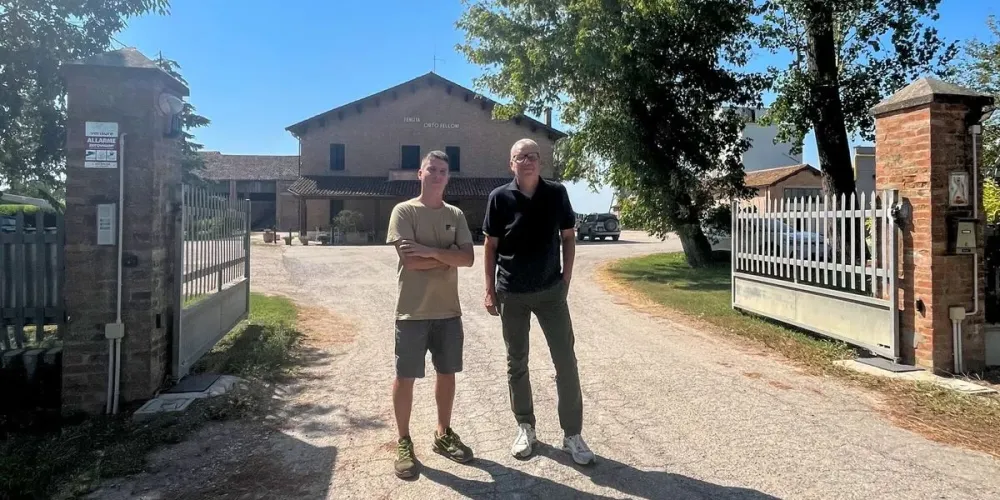
Massimo Salvagnin faces a difficult dilemma: he has all his seeds ready for the planting season on his 600-hectare family farm near Italy’s Po River delta, yet he remains hesitant to begin. The current extreme heatwave has rendered the soil so hot that the farmer fears the seeds might die before they even have a chance to germinate. According to Salvagnin, the sandy soil reaches such high temperatures that the risk of essentially "cooking" or boiling the seeds upon contact is exceptionally high.
Across northern Italy, farms, factories, and power plants that have historically relied on consistent water supplies are now confronting a stark new reality. Climate change has turned the Po River, once the engine of Italy’s industrial economy, into a volatile resource that swings violently between devastating floods and severe droughts. This inconsistency is forcing agricultural producers to reconsider the very crops they grow, as traditional farming assumptions are no longer viable.
The situation is driving a broader shift where industries and farmers must compete for water, a resource previously taken for granted. To mitigate the risks, Salvagnin had to ensure that his local irrigation consortium could guarantee a steady water supply for the next four to six weeks before even considering planting. This case illustrates the wider struggle in northern Italy, where decades-old businesses are struggling to adapt to a climate that no longer offers the predictability they were built upon.
Engineers and water management authorities are now being pressured to rethink how water is stored and moved across the country. The reliance on the Po River is undergoing a critical assessment as the necessity for drought-resistant strategies becomes paramount. The outdated business models that functioned during periods of stable water availability are now failing under the pressure of current environmental changes, necessitating a rapid transformation of the agricultural sector.
Despite these significant risks, Salvagnin plans to begin sowing green beans next week. His persistence reflects the broader spirit of Italian farmers who are attempting to maintain production amidst deepening uncertainty. However, the overall environmental situation in the region necessitates a fundamental shift in agricultural infrastructure. As Italy grapples with another major heat wave, the need for sustainable and adaptive farming practices has never been more urgent to ensure the future of food production in the face of a changing climate.
Not yet comments. Be the first!
Comments · 0