
The grass beneath our feet: Why rangelands matter to the world
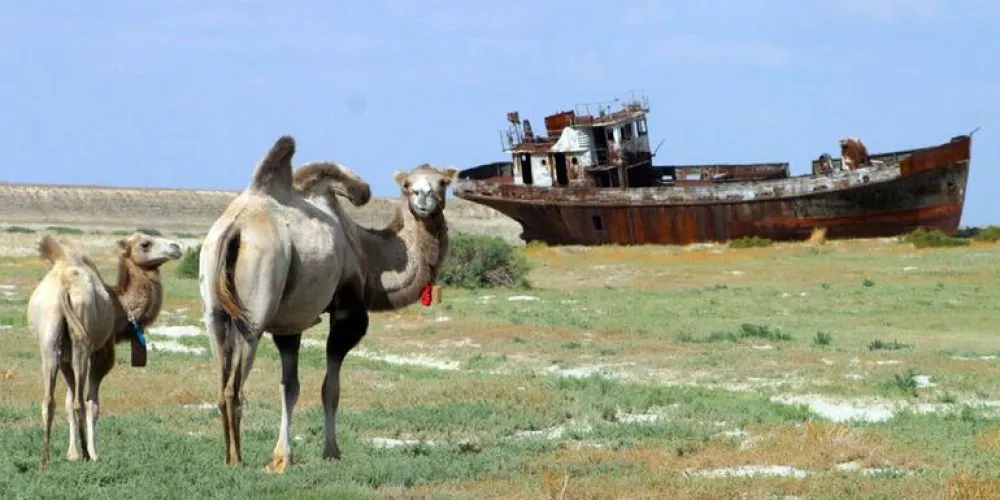
Rangelands are expansive landscapes including grasslands, shrublands, and drylands found on every continent except Antarctica. While not farmed in the traditional agricultural sense, they are critical components of the global food system. Approximately 2 billion people rely on these lands for food and income, and nearly 70 percent of the world’s livestock feed is derived from rangeland resources.
However, the current situation is alarming: up to 40 percent of these areas have already degraded or are at risk of disappearing. The primary drivers of this process include prolonged droughts, overgrazing, and decades of neglect in land management policies. When a rangeland fails, it is not merely an environmental loss; it becomes a crisis for local communities, depriving them of forage, reducing livestock populations, and threatening the food security of entire regions.
Botswana, Kazakhstan, and Kenya illustrate different aspects of this ecological crisis. In Botswana, where livestock is an economic staple, assessments have revealed shrinking grasslands due to the spread of invasive plant species and more frequent droughts. In Kazakhstan, the desiccation of the Aral Sea has left behind a 5.4-million-hectare salt desert, with over 80 percent of pastures in the nearby Kyzylorda region now degraded. In Kenya’s Marsabit County, satellite imagery captured since 1990 shows the steady conversion of grazing lands into barren desert terrain.
The solution lies in combining hard scientific data with the insights of those who live on the land. In Botswana, a national ecosystem assessment involved over 2,000 contributors, including holders of traditional knowledge. Kazakhstan has initiated a large-scale project to plant saxaul trees on the dried Aral Sea bed, covering 337,000 hectares so far, with a target of 1.1 million hectares by 2030. Kenya is utilizing 33 years of satellite data alongside the memories of Indigenous elders to implement flood-diversion structures and vegetation restoration plots.
The central lesson is that land restoration is only effective when it reflects local knowledge and experience. Data alone cannot save rangelands; trust, ownership, and lived expertise are essential. These issues will be at the forefront of the UN conference on desertification, which begins in Ulaanbaatar, Mongolia, on August 17, 2026. Global efforts to protect and restore nature are further supported by the UNDP’s Nature Pledge and the Biodiversity and Ecosystem Services Network (BES-Net).
Not yet comments. Be the first!
Comments · 0