
Poor land management worsens Indonesia's ecological disasters, says UGM expert
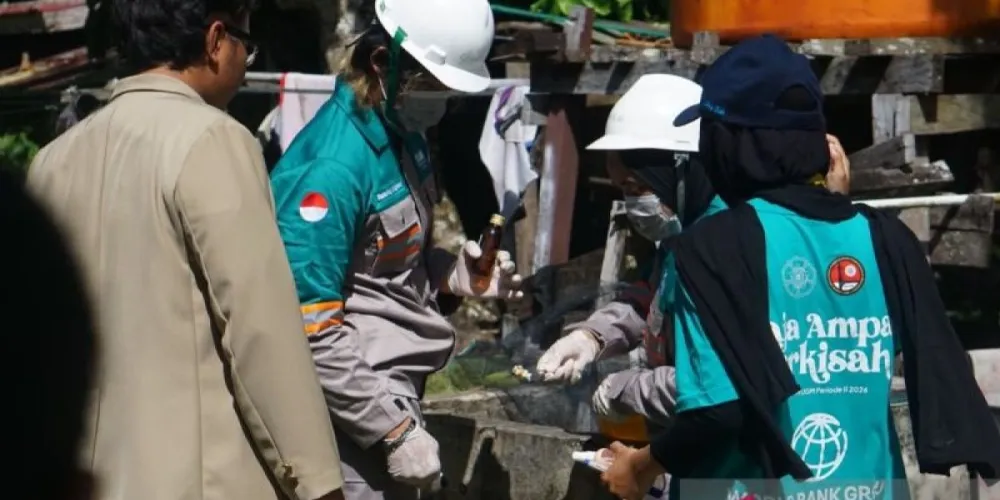
Ecological disasters in Indonesia are not caused solely by extreme weather but are significantly exacerbated by poor land management practices, according to experts from Gadjah Mada University (UGM). Professor Junun Sartohadi, head of UGM's Land Resource Management Study Center, stated that authorities and the public often focus on assigning blame rather than implementing scientifically sound mitigation measures to prevent further damage.
According to Professor Sartohadi, environmental changes in the country are driven by a combination of geodynamic factors and climate fluctuations. While extreme weather events naturally trigger disasters, the severity of their impacts is directly linked to the level of responsibility taken during development planning. "When we manage land poorly, mistakes in one location can lead to problems elsewhere, increasing the impact," the expert explained.
To minimize ecological risks, the researcher urges adherence to the precautionary principle in all infrastructure and physical development projects. Development must align with the ecological conditions of the specific area, including a project's positioning relative to watersheds. It is crucial to assess whether a site lies in the upstream, midstream, or downstream section of a basin to avoid negative impacts on the local ecosystem.
Junun Sartohadi also advocates for moving away from traditional, time-consuming soil-mapping methods in favor of modern geoinformation technology. Integrating disparate spatial datasets into a unified, real-time information system using artificial intelligence and machine learning is essential for effective resource management. Advanced computing can transform disconnected data points into a comprehensive and accurate database of the country's land resources.
Agriculture is cited as a strategic sector that would greatly benefit from such digital transformation. The expert notes that policies based solely on administrative boundaries often lead to inefficient spending and lower productivity. For instance, distributing fertilizer subsidies without considering the specific needs of soils in different districts creates imbalances, leaving some areas with shortages and others with excessive supplies, which complicates long-term agricultural planning.
Not yet comments. Be the first!
Comments · 0