
Severe rainfall deficit turns a serious concern for Andhra Pradesh agriculture
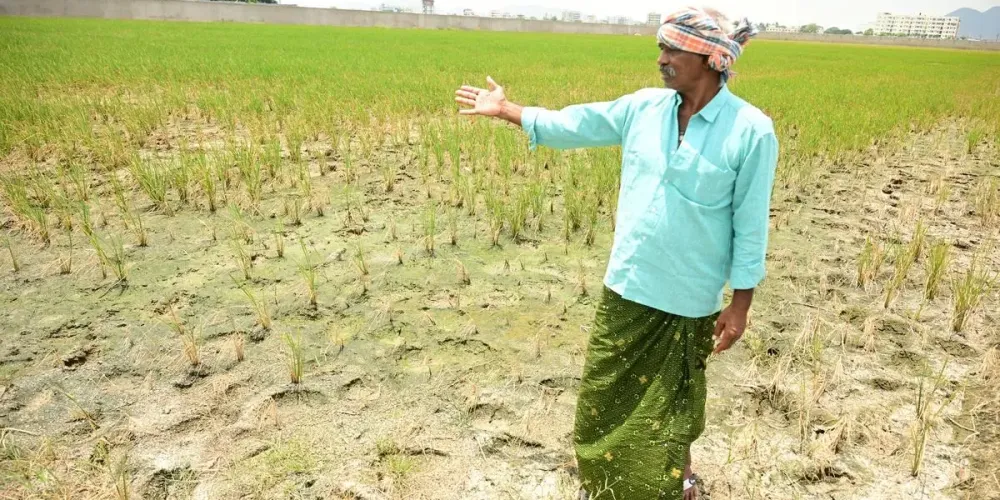
The agricultural sector in the Indian state of Andhra Pradesh is facing a critical challenge due to a severe rainfall deficit during the ongoing southwest monsoon season. According to official data, against a normal rainfall of 424.1 mm for the June-August period, the State received a mere 197.6 mm, marking a significant deficit of 53.4 per cent. This weather anomaly has raised serious concerns regarding kharif crop production, rural incomes, and overall consumption demand across the region.
The progression of the deficit has been particularly alarming. While June recorded a shortfall of 25.2 per cent, the deficit widened sharply to 67.9 per cent in July and remained exceptionally high at 55.9 per cent in August despite marginal improvements. The hardest-hit areas include Rayalaseema and parts of South Coastal Andhra, whereas North Coastal Andhra has experienced relatively better conditions.
This weather trend has already dealt a blow to kharif cultivation activities. As of August 26, only 20.4 million hectares had been brought under cultivation compared to the normal area of 25.6 million hectares, registering a shortfall of 5.3 million hectares or roughly 20 per cent. The cultivation gap, which stood at 3 million hectares in July, widened further by August as declining soil moisture levels in rain-fed regions exerted additional pressure on farming operations.
Senior officials from the Planning Department have warned that worsening dry conditions could trigger widespread repercussions across multiple sectors and severely affect rural livelihoods. Furthermore, authorities have voiced concerns that the prevailing meteorological pattern could eventually transition into a super El Nino scenario, necessitating advanced preparedness measures from the government.
Water availability currently presents a mixed picture. Major reservoirs within the Krishna river system remain in a relatively comfortable position, with Srisailam holding approximately 61 per cent of its capacity and Nagarjuna Sagar at around 57 per cent, bolstered by upstream flood inflows. However, the situation in the Pennar basin—which supplies Rayalaseema and South Coastal Andhra—is far more concerning, as storage levels at Somasila hover around 22 per cent and Kandaleru stands at about 27 per cent capacity.
Not yet comments. Be the first!
Comments · 0