
Breakthrough in Ginsenoside Production: Oplopanax elatus Genome Reveals Key to RK-Type Biosynthesis
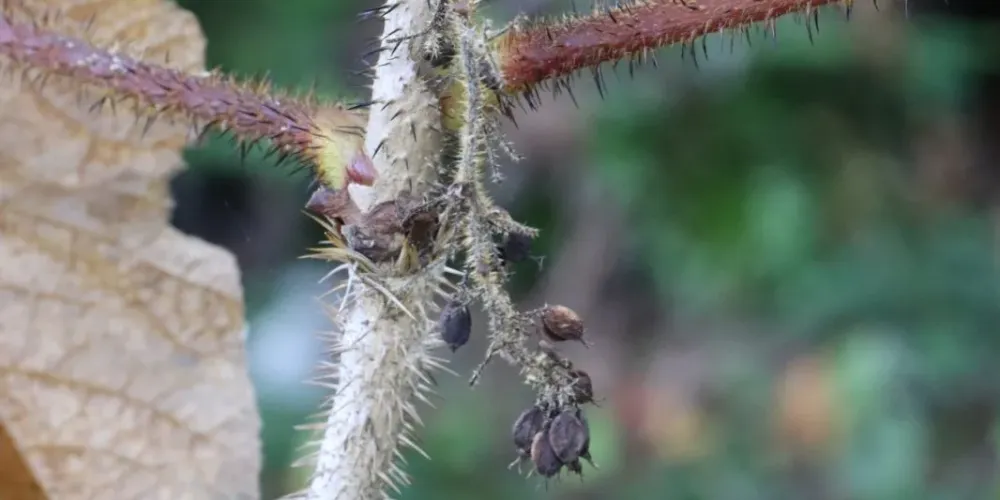
A groundbreaking study, slated for publication in Nature Communications on June 24, 2026, has shed critical light on the biosynthesis of valuable RK-type ginsenosides, a subgroup of dehydrated dammarane saponins renowned for their significant bioactivities. These compounds, despite their therapeutic potential, have remained elusive in cultivated ginseng. The collaborative research, spearheaded by scientists including Xin Wang, He Zhang, and Mengying Kang from institutions like Northeast Forestry University in Harbin, China, and funded by organizations such as the National Natural Science Foundation of China, focused on the genome of Oplopanax elatus, a plant closely related to ginseng. The findings promise to unlock new avenues for sustainable natural product synthesis.
The research team delved into the genetic makeup of Oplopanax elatus, a plant that naturally accumulates dammaradienol, the fundamental precursor scaffold necessary for the production of RK-type ginsenosides. Paradoxically, despite possessing this crucial building block, O. elatus does not naturally synthesize RK-type ginsenosides itself. This intriguing biological puzzle prompted a detailed investigation into the plant's genomic architecture and metabolic pathways, utilizing advanced techniques such as chromosome-level genome assembly, comparative genomics, and comprehensive biochemical analyses, to understand this evolutionary divergence.
A pivotal discovery was the identification of OeOSC14, a specialized dammaradienol synthase within Oplopanax elatus. This enzyme, the study reveals, did not originate independently but evolved through an evolutionary process involving the duplication and subsequent neofunctionalization of an ancestral multifunctional triterpene synthase. This evolutionary transition highlights how plants adapt and specialize metabolic functions. The researchers provided compelling evidence for this evolutionary pathway by demonstrating that a single amino acid substitution, N260Y, can convert OeOSC14 from its specialized role back into a multifunctional triterpene synthase, showcasing the delicate balance of its functional specificity.
Further investigation into why O. elatus fails to produce RK-type ginsenosides despite having the precursor dammaradienol and the specialized synthase OeOSC14, uncovered another critical missing piece. The study determined that the plant suffers from a loss of functional C12 hydroxylase. This enzyme is absolutely essential for catalyzing the downstream oxidative step required in the complete biosynthetic pathway of RK-type ginsenosides. Without this hydroxylase, the metabolic chain is broken, preventing the final formation of these desired compounds, thus explaining the biological bottleneck observed in Oplopanax elatus.
The culmination of this extensive genomic and biochemical detective work led to a significant biotechnological breakthrough. By understanding the complete pathway and its missing links, the researchers were able to successfully reconstitute the entire biosynthetic pathway in Nicotiana benthamiana, a model plant often used for transient gene expression. This reconstitution allowed for the de novo production of several key RK-type ginsenosides, specifically Rk1, Rk2, and Rk3, demonstrating the feasibility of engineering plants to produce these valuable compounds. This achievement not only validates the team's evolutionary insights but also provides a tangible method for overcoming natural limitations.
This pioneering study offers profound evolutionary insights into the diversification of triterpenes, a vast class of natural products with diverse biological activities. More importantly, it establishes a robust, plant-based route for the sustainable and potentially large-scale production of RK-type ginsenosides. The ability to genetically engineer model plants like Nicotiana benthamiana to synthesize these complex molecules represents a significant leap forward in natural product synthesis and medicinal plant biotechnology, paving the way for future pharmaceutical and agricultural applications.
The researchers, including authors from the State Key Laboratory of Utilization of Woody Oil Resource at Northeast Forestry University and various collaborators from institutions across China and Japan, extend their acknowledgements to the Analysis and Test Center (Northeast Forestry University) for chemical analysis support. This collaborative effort underlines the international significance and scientific rigor behind these findings, which have been financially supported by multiple grants, including from the National Natural Science Foundation of China.
Not yet comments. Be the first!
Comments · 0