
Nutrition-sensitive farming helps Ugandan families move beyond chronic hunger
In northern Uganda, nutrition-sensitive farming helped one Adjumani household move from chronic food shortage to more stable meals, better diets, and stronger family resilience.
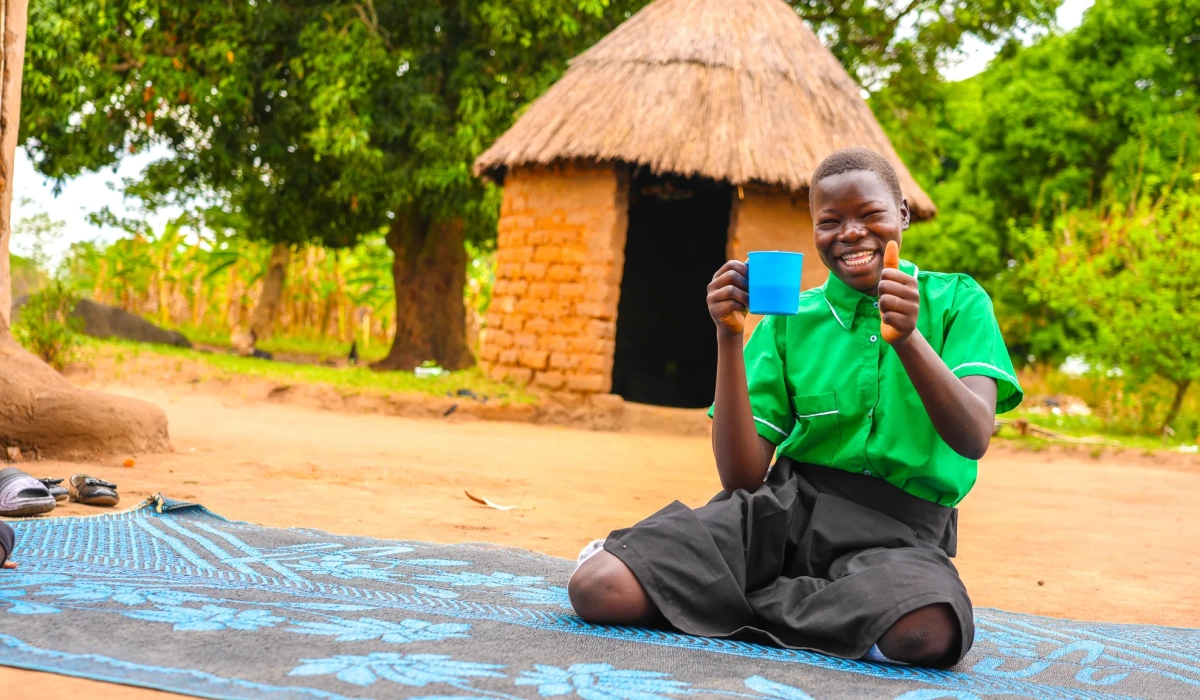
Until recently, food was chronically scarce in the household of 16-year-old Sophy in Adjumani district in northern Uganda. Meals were irregular, portions were small, and the children often went to school hungry. For Martha and Maiku, this was not an occasional setback but a daily condition that affected the children’s health, their ability to learn, and the atmosphere inside the home.
The change began after the family joined the Aleamandro Farmer Group under the Uganda Refugee Resilience Initiative and received support in nutrition-sensitive agriculture. As World Vision Uganda explains, that approach is not only about raising yields. It is designed to make sure what a family grows also improves the quality of what the family eats, especially for children.
The first step was to secure enough food in basic terms. Maize became the foundation of the farm system, allowing the family to stabilise meals and start each morning with porridge. Groundnuts were then added so that the diet included protein and healthy fats alongside calories. In the parents’ account, food stopped being only a matter of survival and became a way to build the children’s strength.
The effects were visible in school as well as at home. The article says the children fell sick less often, were more attentive in class, and could stay through the full school day. Sophy’s sister Mercy also linked the better food situation to lower tension in the household: when there was no food, anger and arguments were common, whereas shared meals have now become part of daily family life.
Improved harvests also gave the household a financial cushion. One maize harvest helped pay medical bills during an illness, and surplus income was later invested in livestock, adding another source of food and earnings. Just as important, decision-making changed: Martha and Maiku now plan together what to consume, what to store, and what to sell, using nutrition priorities as well as income needs.