
Late-April freeze wipes out much of New Jersey's peach and apple crop
Fruit growers across the US Northeast are dealing with the aftermath of a rare late-April freeze that hit at a critical point in crop development. According to figures cited by Fox, New Jersey farmers lost an estimated $300 million worth of fruit crops. Apples and peaches were among the worst affected, and for some orchards the season has effectively been written off before summer has even begun.
Tannwen Mount, owner of Terhune Orchards in Princeton, said the scale of the damage was catastrophic not only for her farm but for the wider region. Spring would normally bring budding apple trees and the start of the main growing period, but this year many trees showed little sign of recovery after temperatures plunged. She said her farm had never before lost multiple crops at once for the entire season.
New Jersey Secretary of Agriculture Ed Wengryn described the event as a “generational freeze,” comparing it to a near hundred-year storm in terms of rarity and timing. The cold snap arrived at almost the worst possible moment for tree fruit physiology, when plants were highly vulnerable. That is why the damage was so broad: the event did not hit a few isolated orchards, but a much wider fruit-growing zone.
The freeze also affected neighbouring Pennsylvania, one of the leading peach-producing states in the country. That raises the prospect of tighter fruit supplies not only inside the directly damaged areas but across a wider Northeast market. Wengryn warned there simply would not be peaches from the region, a message that points to downstream effects for packers, retailers and consumers looking for local supply.
In response, New Jersey Governor Mikie Sherrill requested federal disaster assistance. State officials said low-interest federal loans could help growers cover current bills and bridge the season because many of them will have little or no fruit to sell this year. For orchard businesses, that turns the freeze from a yield problem into an immediate cash-flow problem.
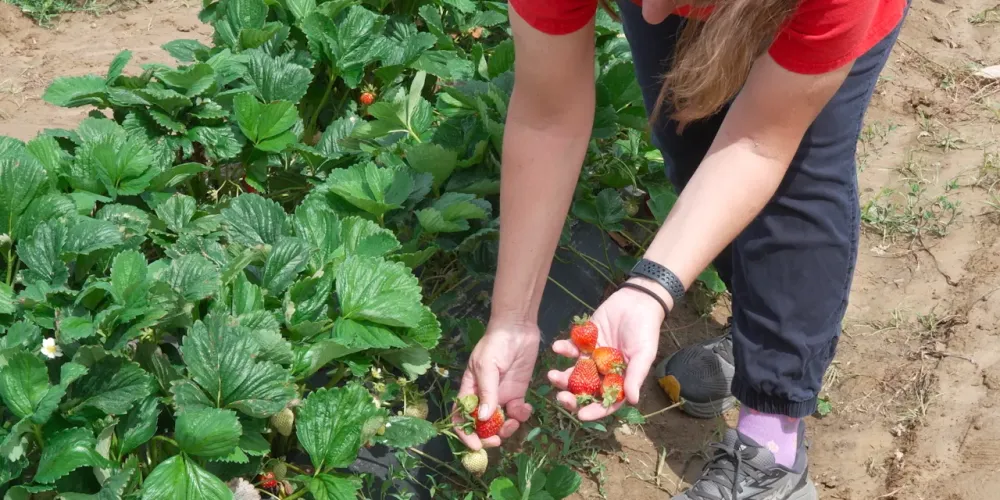
Some farms are still trying to soften the blow where they can. At Terhune Orchards, Mount said crops that survived the freeze, including strawberries, blueberries, blackberries and vegetables, may offset part of the losses. Even so, the broader lesson for the region’s fruit sector is severe: one short weather event, if it lands during a vulnerable growth stage, can erase a large share of annual orchard income and reshape fresh-fruit availability for an entire marketing season.
Not yet comments. Be the first!
Comments · 0