
Rain in drought-hit South Australian districts lifts hopes for crops and feed
Rainfall in parts of South Australia’s Mallee and Riverland is improving the mood after years of drought. Farmers are seeing better prospects for wheat, barley and lentils, but they are still dealing with poor feed quality, sand drift and locust pressure.
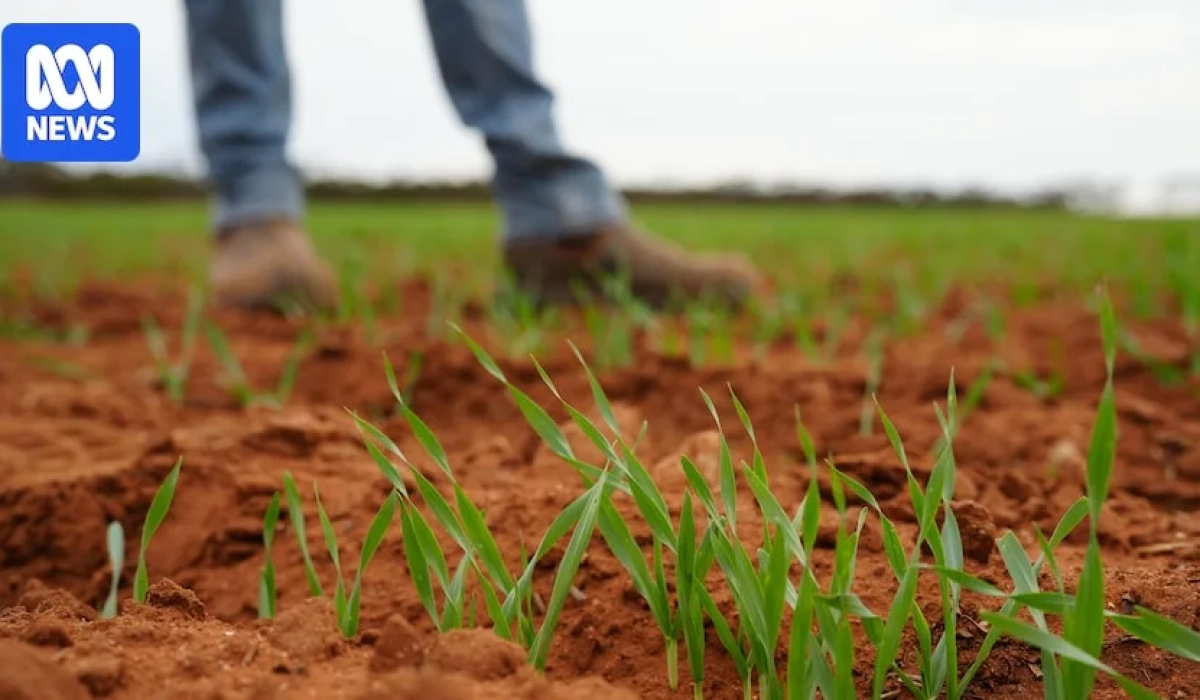
Substantial rainfall in parts of South Australia’s Mallee and Riverland regions is giving farmers renewed hope after several punishing drought years. ABC Rural reported that paddocks which were dry and patchy a year ago are now showing new growth, allowing some producers to approach the 2026 season with more confidence. Even so, growers stress that the recovery is still fragile and will depend on follow-up rainfall through the rest of the growing cycle.
Fifth-generation farmer Sam May, who grows wheat, barley and lentils at Pata in the Mallee, said his family pulled back operations and reduced fertiliser inputs last season after repeated dry years. Conditions have improved sharply this year. He has recorded 230 millimetres of rain since January, including 40 millimetres over one recent weekend, more than double the less than 100 millimetres his property received last year. But the season has also been volatile: in early March, 135 millimetres fell over two days, including 90 millimetres in just two hours, causing flash flooding that he said left paddocks chest deep in water.
About 60 kilometres further north, near Paringa, Lia Rover and her family are growing vetch to feed cattle on their mixed farm at Wonuarra. Their property has received about 155 millimetres of rain so far this year, and greenery has returned, but she warned that very short shoots still do little for livestock nutrition. Rover said plants under 10 centimetres are mostly water and provide little protein value. The family has also had to spend time and money grading soil after years of drought-driven sand drift that worsens whenever strong winds hit the district.
Pests are adding another layer of risk. Rover said locusts have been a serious problem in recent months and ate through more than 200 hectares of crops intended for feed within a single week. That means better moisture does not automatically translate into secure feed supply. Farmers still have to rebuild paddocks and keep livestock systems going while protecting emerging crops from biological damage that can quickly undo the benefit of rain.
Brian Lynch, senior agronomist at Elders Loxton, said more rain had fallen in his town between January and mid-May this year than during all of 2025. He said that has already been enough for many producers to commit again to crops such as lentils and chickpeas that were considered too risky last year. At the same time, he warned that farmers are watching low-level locust migration and egg laying that could become a spring problem. The result is a cautiously improved outlook: confidence is back, but only alongside continued monitoring of rainfall, feed development and pest pressure.