
To Miami’s Chagrin: Warming Oceans Drive Record Sargassum Blooms
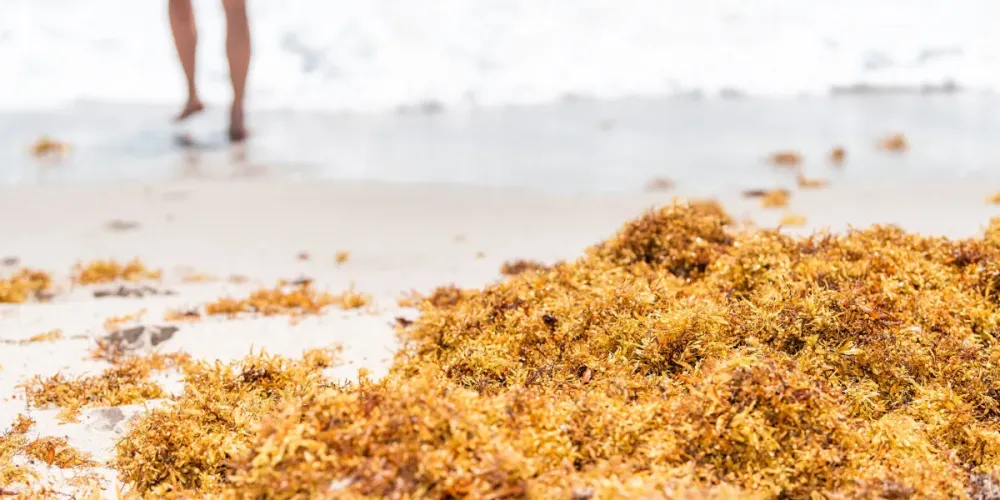
Miami-Dade County beaches are facing a difficult summer as record amounts of sargassum, a brown floating algae, continue to wash ashore. Chris Bumpus, chief of conservation for the county’s parks department, manages the effort to clear 17 miles of coastline using heavy machinery and specialized beachcombing vehicles. In July alone, the crew removed 9,000 tons of seaweed, setting a new record for monthly collection that strains local resources and logistics.
The removal process is carefully regulated to protect local biodiversity, particularly nesting sea turtles. The county operates under a permit from the Florida Department of Environmental Protection, which requires teams to mark turtle nests before work begins. Furthermore, heavy equipment is prohibited between sunset and sunrise to prevent disturbing the animals. With approximately 700 sea turtle nests recorded this season, the county spends $3 million annually on seaweed management, leading all other Florida counties in expenditure.
The emergence of the Great Atlantic Sargassum Belt in 2011 transformed the scale of the issue, stretching from West Africa to the Gulf of Mexico. Dr. Brian LaPointe, a research professor at Florida Atlantic University, reports that sargassum biomass has doubled every five years since then. Satellite imagery this summer showed 33.5 million tons of seaweed, a significant volume that poses recurring problems for coastal regions in Florida, Mexico, and the Caribbean.
Climate change and nutrient runoff are cited as primary drivers for these massive blooms. Increased ocean temperatures fuel evaporation, leading to extreme rainfall that flushes nitrogen and phosphorus from agricultural lands into the ocean. This excess nutrient load creates a perfect environment for rapid algae growth. Once the massive mats reach the shore, they can impact coral reefs and seagrass beds, causing oxygen depletion and releasing hydrogen sulfide, which poses both ecological risks and health concerns for beachgoers.
Local authorities are currently seeking more flexibility from the state to utilize cleaning equipment more efficiently. While some nations, such as Mexico, have implemented large-scale sea-based removal programs, U.S. federal and state regulations currently restrict open-water harvesting due to concerns for marine life that inhabits the mats. However, as the frequency and intensity of these inundations grow, experts suggest that current management strategies may need to evolve to mitigate the negative impacts on both local ecosystems and the tourism-dependent economy.
Not yet comments. Be the first!
Comments · 0