
No more free dhaniya? India’s kitchen faces a new food squeeze
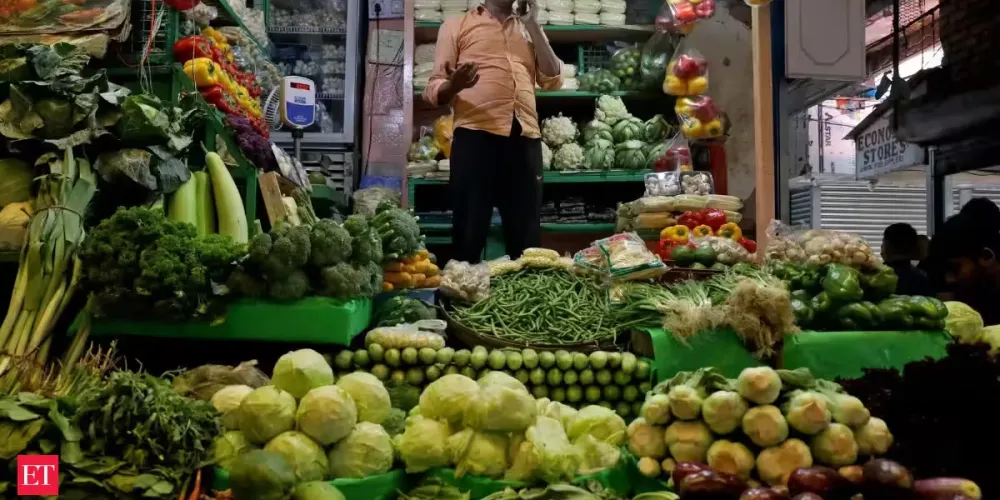
For many Indian shoppers, the traditional free bunch of coriander (dhaniya) added to a grocery bag is becoming a thing of the past. Due to heavy rains disrupting supply chains from key growing regions like Nashik, retail prices for coriander have surged to between 220 and 230 rupees per kilogram. As a highly perishable herb, any delay in transit from farms to market leads to immediate price spikes at the retail level.
The broader food inflation landscape in India is becoming increasingly complex. In July, food inflation climbed to 5.52%, up from 5.32% in June. While potato prices fell by 16.56% year-on-year, and tomatoes and peas saw price decreases, the main strain on household budgets is now coming from everyday kitchen aromats that were previously more affordable.
Ginger and garlic are showing the most aggressive price increases. Ginger inflation accelerated to 83.62% in July, while garlic inflation reached 35.36%. Onion prices also recorded a significant jump of 22.54%. These figures indicate that the current crisis is driven by specific supply chain disruptions across various crops, moving beyond the conventional reliance on potato and tomato price fluctuations.
The root cause of this volatility is an unusually erratic monsoon season. The season began with its fifth-driest June on record, with rainfall 39.8% below normal, followed by a turbulent July marked by heavy, concentrated downpours and long dry spells. Approximately half of India’s farmland relies on rain-fed irrigation, and such instability not only damages standing crops but also delays the movement of produce to urban wholesale markets.
The Reserve Bank of India has cautioned that an uneven monsoon poses a direct risk to food prices. With food items accounting for nearly half of the Consumer Price Index (CPI) basket, any reduction in the supply of vegetables, pulses, and cereals is a major concern. The situation is further complicated by the potential impact of El Niño, which continues to drive extreme weather patterns, creating long-term uncertainty for agricultural output and national food security.
Not yet comments. Be the first!
Comments · 0