
Chinese Ambitions: How Beijing Could Reshape Global Grain Trade
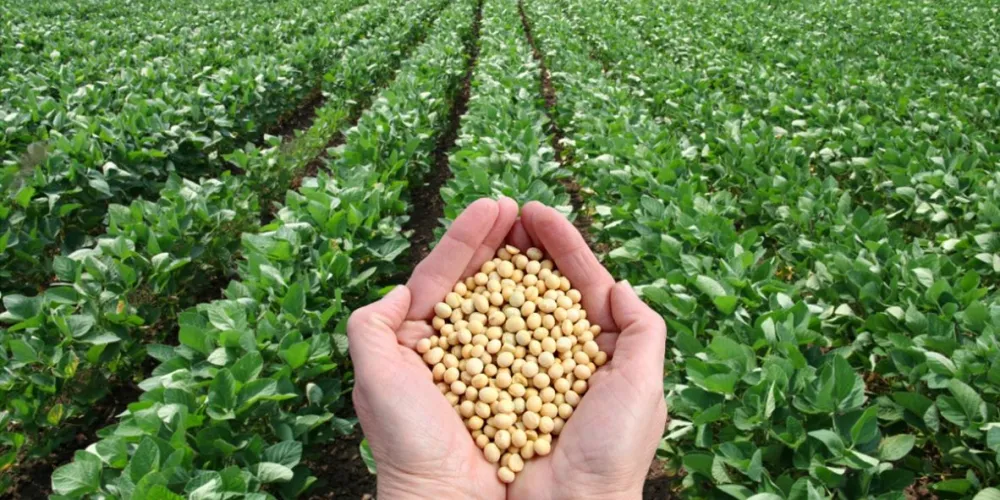
According to the strategic plan adopted for the 2026-2030 period, China intends to increase its annual grain production to 725 million tonnes and reduce its reliance on soybean imports. Experts from the Rosario Grains Exchange note that such steps will significantly alter global trade in grain, feed, and meat, as reported by Graintrade.
Special attention will be paid to soybeans, with domestic production planned to increase to 24.7 million tonnes, while imports are targeted to drop to 90 million tonnes (compared to a record 111.8 million tonnes in 2025). However, increasing crop yields will not be achieved through expanding sown areas, but rather through the application of advanced technologies: boosting productivity, digitalization, and developing breeding programs intended to supply 85% of core seeds by 2030.
Notably, the USDA estimates China's soybean imports for the 2026/27 marketing year at a record 115 million tonnes (compared to 113 million tonnes in 2025/26 and 108 million tonnes in 2024/25). China's plans to reduce the share of soybean meal in feed from the current 13.4% down to 10% by 2030 using alternative components will intensify competition among global meal exporters.
In addition, Beijing plans to restructure its livestock sector by reducing pig production—the largest consumer of soybean meal—while increasing beef and poultry output. To ensure stable supplies, China is investing heavily in the logistics infrastructure of exporting nations, notably expanding the COFCO terminal in Brazil and developing the Chancay port in Peru.
Soon, global exporters of soybeans and meal will face fresh challenges and will be forced to seek alternative pathways for marketing their products as China reshapes the international agricultural landscape.
Not yet comments. Be the first!
Comments