
Potatoes may have given Indigenous Andeans a digestive superpower
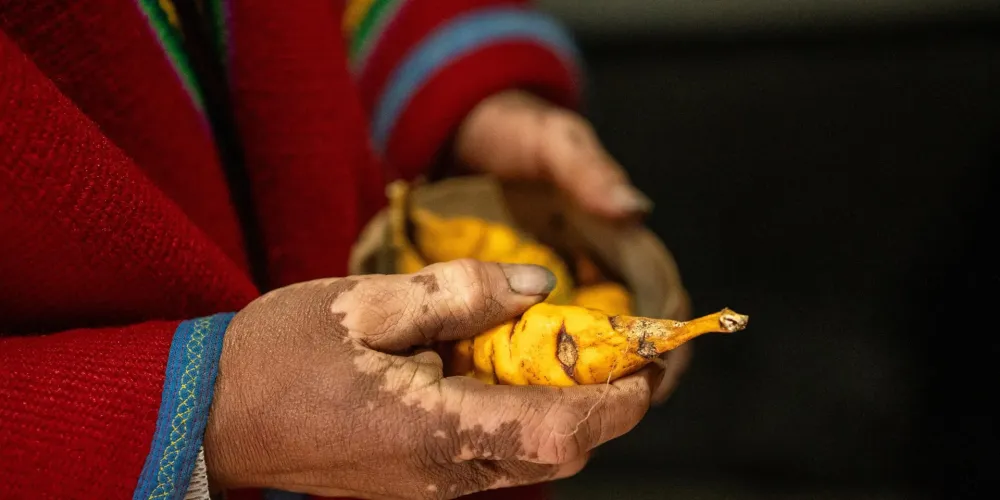
Thousands of years of potato farming in the Andes have left a profound mark on human DNA. Indigenous communities in Peru today carry an unusually high number of copies of a gene involved in starch digestion. A new study published in the journal Nature Communications suggests that this biological edge resulted from natural selection that began roughly 6,000 to 10,000 years ago, precisely when potatoes became a dietary staple in the Andean highlands.
Researchers from UCLA and the University at Buffalo focused on the AMY1 gene, which encodes salivary amylase, an essential enzyme for breaking down starch. Led by Abigail Bigham and Omer Gokcumen, the research team analyzed the genomes of Indigenous Quechua speakers and compared them with genomic databases from dozens of other global populations. The findings revealed that Indigenous Peruvians carry an average of 10 copies of the AMY1 gene, which is two to four copies higher than any of the other 83 populations analyzed in the study.
The evolutionary mechanism at play was directional. Ancestral Andean populations already possessed varying numbers of AMY1 copies before they settled in the highlands and domesticated the potato. However, once the crop became a primary source of nutrition, individuals with higher copy numbers gained a significant survival and reproductive advantage. Experts estimate that starting about 10,000 years ago, those carrying 10 or more copies had a 1.24% survival or reproductive benefit per generation.
Professor Omer Gokcumen described the evolutionary process as akin to a sculptor: the environment gradually refined the population by favoring those who could process starch most efficiently. Over generations, individuals with lower copy numbers were effectively selected out, while those with higher numbers thrived. This finding provides rare and compelling evidence of how a specific agricultural crop has directly influenced the genetic makeup of a human population over thousands of years.
To ensure the results were not skewed by other factors, the researchers compared Indigenous Peruvians with the Maya people of Mexico, who share similar ancestral roots but lacked a tradition of potato farming. The Maya were found to carry an average of only 6 AMY1 copies. Furthermore, the team used ultra-long DNA sequencing to confirm that this genetic adaptation was not an artifact of the population bottleneck that occurred following European contact in the 15th century. Their evidence confirms that the high frequency of the AMY1 gene was already established long before the arrival of Europeans, driven primarily by the selective pressure of a potato-heavy diet.
Not yet comments. Be the first!
Comments · 0