
Israeli scientists engineer plants to produce milk protein, paving way for cow-free dairy
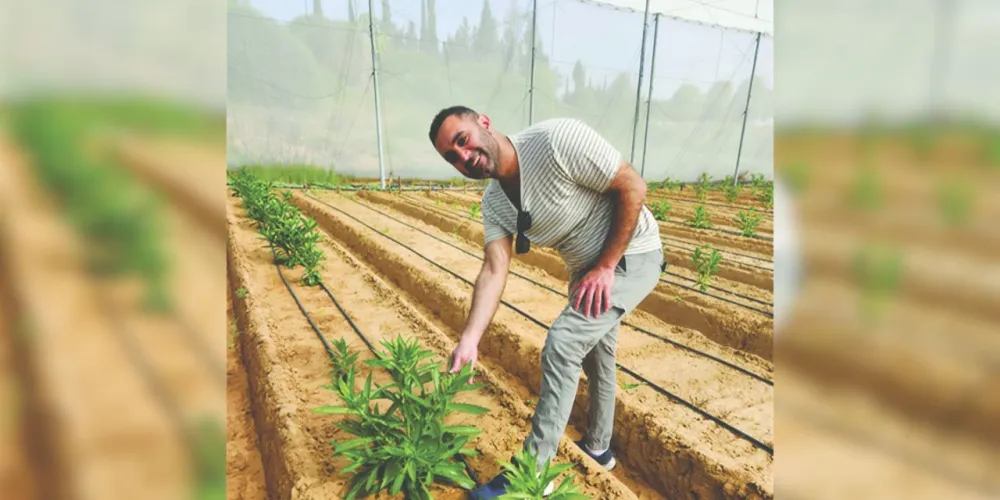
A team of scientists from the Hebrew University of Jerusalem (HUJI), led by Prof. Oded Shoseyov, has achieved a breakthrough in the field of molecular farming. The researchers successfully engineered plants to produce beta-casein, one of the primary proteins in cow's milk that provides essential nutritional value, texture, and cheese-making properties. Their findings were recently published in the journal Frontiers in Plant Science.
For their initial laboratory research, the team used Arabidopsis (thale cress) as a model organism. They introduced a genetic construct into the seeds, consisting of bovine beta-casein fused with oleosin, an oil-body protein. During the experiment, it was discovered that the protein accumulated in unexpected cellular locations, revealing a new pathway for protein synthesis in crops. Prof. Shoseyov noted that biological systems are far more complex than previously assumed, and these findings open significant opportunities for the efficient production of animal-derived proteins.
The ultimate goal of the research is to apply this technology to safflower (Carthamus tinctorius). This crop was chosen because its seeds contain significantly higher concentrations of protein and fat compared to raw cow's milk. The use of safflower would drastically improve logistics: rather than transporting perishable liquid milk in refrigerated tankers, the harvested seeds could be stored in silos at room temperature for up to a year, offering a massive reduction in operational costs.
According to Prof. Shoseyov, this plant-based approach is significantly more cost-effective than precision fermentation, which is currently used to synthesize dairy proteins. Estimates suggest that protein production and extraction from plants could be up to 100 times cheaper than microbial fermentation processes. This makes the technology highly promising for environmental sustainability, as it addresses concerns regarding land use, water consumption, and greenhouse gas emissions associated with traditional livestock farming.
The research team is currently in discussions with the US Food and Drug Administration (FDA) regarding the pathway to market. Scientists anticipate reaching the commercial stage within 18 to 24 months. The primary hurdle ahead is the widespread adoption of this technique by the food industry, which would allow for the production of sustainable, nutritious, and cost-effective dairy alternatives for global consumers.
Not yet comments. Be the first!
Comments · 0