
A tale of two harvests: Rain delivers rebound for some Alberta farmers, disaster for others
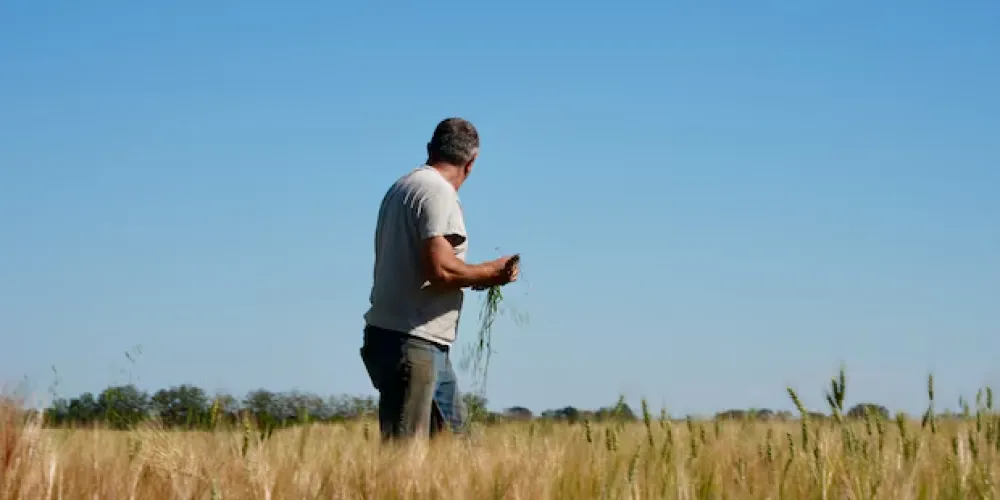
As the harvest season approaches in central Alberta, producers are preparing their machinery for what is shaping up to be a highly productive year. For Kevin Bender, a grain farmer operating 1,300 acres west of Sylvan Lake, the rains in June were a decisive factor in rescuing a season that initially appeared destined for drought. These timely moisture inputs have set the stage for significant yields across the central region, reversing the negative trend of previous dry years.
According to the latest provincial crop report, the outlook for Alberta is largely optimistic, with major crop yields projected to be 20 per cent above the five-year average, climbing to 23 per cent in central areas. David Lee, manager of Agriculture and Agri-Food Canada’s National AgroClimate Information Service, noted that while the moisture was a welcome relief for many, it created a starkly different outcome in other parts of the province.
In northeastern Alberta, the rainfall was far from beneficial. By mid-August, the M.D. of Bonnyville declared an agricultural state of disaster after receiving nearly 600 millimetres of rain throughout the growing season. This excessive precipitation has led nine municipalities, including Beaver County, Westlock County, Sturgeon County, and central Wetaskiwin County, to declare agricultural disasters due to severe field saturation and waterlogged crops.
David Lee emphasized that some regions are seeing precipitation levels 175 to 200 per cent above normal, which is highly abnormal for the area. Producers like Dwayne Kalinski in the Bonnyville region have faced devastating consequences, reporting that roughly 10 to 20 per cent of their crops have been written off due to standing water and an inability to seed or spray fields throughout the season. Livestock producers are also feeling the pressure, anticipating potential shortages in quality feed for the coming winter months.
Despite these localized crises, the broader forecast remains positive for the province. Environment Canada expects normal precipitation and above-average temperatures throughout September, October, and November. This favorable weather window should allow the majority of Alberta farmers to proceed with their harvest operations efficiently, provided no further heavy rainfall occurs. Farmers continue to monitor conditions closely as they transition into the final stages of the 2026 production season.
Not yet comments. Be the first!
Comments · 0