
Iran war and El Nino threaten global rice supply as Asian farmers cut planting
Higher fuel and fertilizer costs linked to the Iran war, combined with an emerging El Nino, are raising new risks for Asian rice production and global food security.
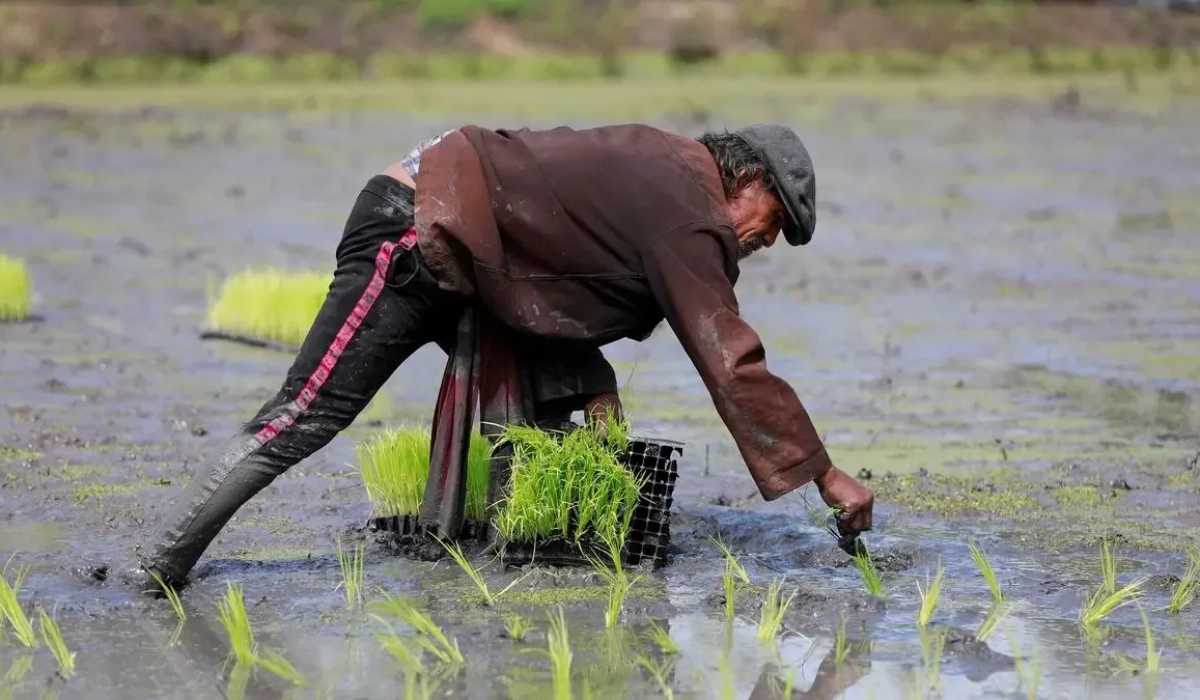
Global rice supply is coming under renewed pressure in 2026 as the Iran war disrupts fuel and fertilizer flows and an emerging El Nino threatens hotter, drier weather across Southeast Asia. The source stresses that rice remains the most widely consumed staple in much of Asia and Africa, so even limited disruptions can quickly affect household budgets and food inflation.
In April, the UN Food and Agriculture Organization still forecast world rice production in 2025/26 to rise by 2% to a record level. Market participants now say that outlook is becoming harder to sustain. The impact of the conflict is being felt in major exporters such as Thailand and Vietnam as well as import-reliant buyers including the Philippines and Indonesia. A central problem is the interruption of fuel and fertilizer flows through the Strait of Hormuz.
FAO chief economist Maximo Torero said farmers in some countries have already started planting but are using fewer inputs because prices have risen. He warned that the world could face a tighter rice supply situation in the second half of this year and early next year. The timing matters because India, Thailand and the Philippines plant their main rice crops in June and July, while Vietnam and Indonesia are already sowing second-season crops.
Logistics are adding another layer of risk. A Singapore-based trader at a major rice merchant said Asia is already dealing with a shortage of polypropylene bags, limited truck availability to move rice to ports and disruption to shipping itself. In that context, even modest yield losses can matter. The report also recalls the 2008 crisis, when export curbs by key suppliers pushed rice prices to about $1,000 a metric ton and triggered unrest in several countries.
Farm-level cost pressure is already visible. In Thailand's Chai Nat province, farmer Sripai Kaew-Eam said her production costs have risen to about 6,000 baht per rai from roughly 4,500 to 5,000 baht in the previous crop, while fertilizer prices have jumped to 1,000-1,200 baht a bag from 850 baht. She said she has cut fertilizer use by half. In the Philippines, rural development advocates warned that some growers may skip planting or reduce fertilizer use further, and output could fall by as much as 6 million tons from a typical 19-20 million tons.
Indonesia is facing a different combination of risks. The country's statistics bureau estimates that harvested rice area in March-May will shrink by 10.6% to 3.85 million hectares and unhusked rice production will drop 11.12% to 20.68 million tons. India still provides some buffer because, according to USDA data cited by the report, it holds a record 42 million tons of rice, about one-fifth of global stockpiles. Even so, Torero warned that if the Strait of Hormuz is not reopened quickly, the rice situation could become much more serious within two to three weeks.