
India’s small-scale fishers face unpredictable climate risks, diagnostic report warns
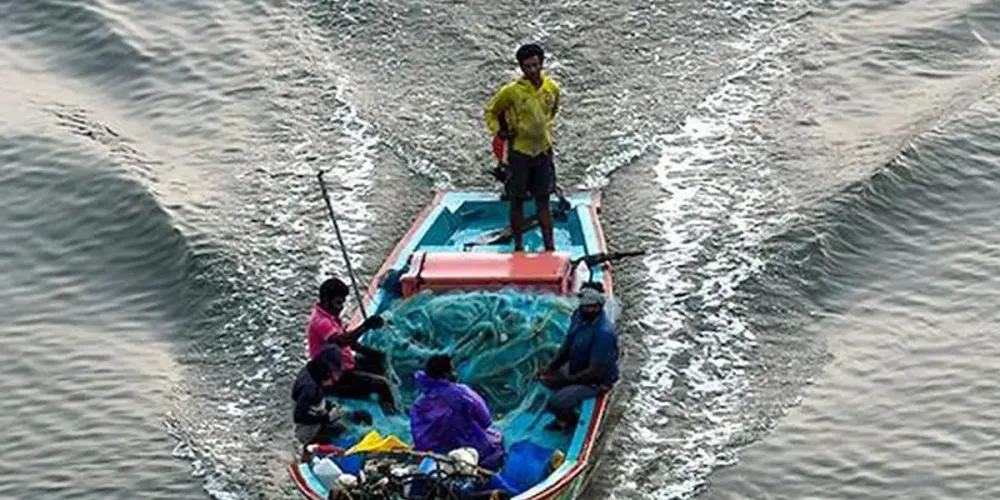
Small-scale fishers in India are grappling with increasingly unpredictable climate risks, according to a recent diagnostic report. The findings, prepared for the proposed National Plan of Action for Small-Scale Fisheries (NPOA-SSF), highlight how rising temperatures, intensifying storm surges, and erratic monsoon patterns are severely impacting the livelihoods of fishing communities across the nation. Experts warn that these environmental shifts represent an urgent threat to the long-term stability of the sector.
The report was produced by the Bay of Bengal Programme Inter-Governmental Organization (BOBP-IGO), with technical guidance from the United Nations' Food and Agriculture Organization (FAO). Data collected reflects the lived experiences of local communities, who report significant changes in fish species migration, a decline in sardine catches, and a dangerous increase in the number of days spent unable to fish due to rough seas and extreme weather events. These lost working days have a direct and devastating effect on the financial security of fisher households.
P. Krishnan, Director of BOBP-IGO, stated that the severity of climate impacts varies significantly based on factors such as the type of fishing vessel, the financial resilience of the household, and access to critical infrastructure. In addition to these climate-driven challenges, the sector continues to face deep-seated issues including insecure land tenure along the coast, poor market access, gender-based exclusion, and a lack of comprehensive welfare support systems for workers.
To address these vulnerabilities, the report proposes a series of proactive adaptation measures. These include a nationwide audit of disaster-ready infrastructure, the establishment of efficient compensation mechanisms for victims of extreme weather, and upskilling programs for fishers. The document advocates for the integration of better weather forecasting technology and the development of stronger, more resilient boats to help the community cope with the changing maritime environment.
Ultimately, the findings emphasize the urgent need for a cohesive national framework that prioritizes secure fishing rights, improved post-harvest storage facilities, and inclusive governance. As the NPOA-SSF process moves forward, the report serves as a critical guide for policymakers to build a more robust, climate-resilient value chain, ensuring the safety and future economic viability of India’s essential small-scale fisheries sector.
Not yet comments. Be the first!
Comments · 0