
India's agro-chemical companies seek data protection law to expedite farm innovation
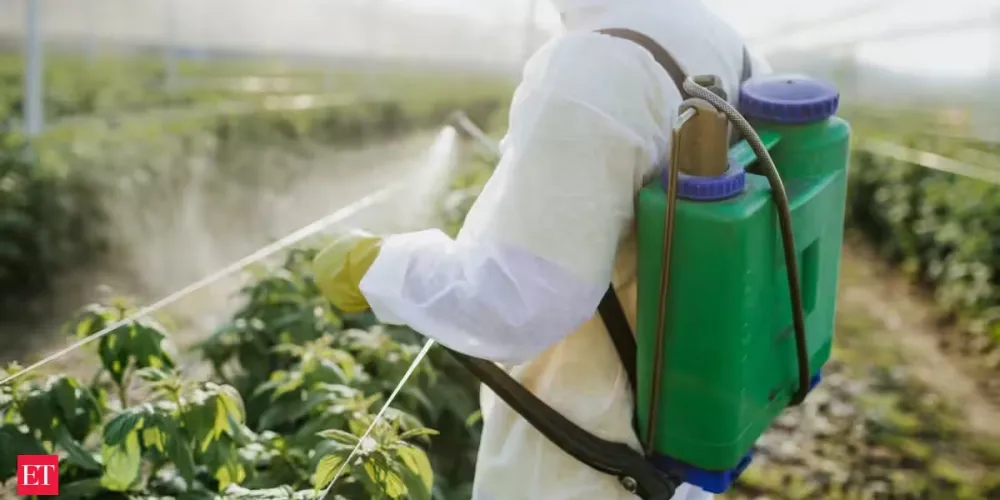
Five of India's largest agro-chemical manufacturers have jointly petitioned the government to include a provision for the protection of regulatory data in the draft Pesticides Management Bill, 2025. The coalition, including Crystal Crop Protection, Rallis India, Dhanuka Agritech, PI Industries, and Godrej Agrovet, operating under the industry body CropLife India, argues that the current lack of a framework discourages the introduction of newer, safer pesticide molecules. They contend that the existing system significantly hinders the country's agricultural modernization efforts.
The industry proposal seeks a five-year time-bound window of exclusivity for companies that generate essential safety, efficacy, and residue data during the registration process for new molecules. After this protection period expires, the technical data would become available to the broader industry, including generic manufacturers and SMEs. The companies emphasized that this policy change would only apply to new molecules and new uses, ensuring no impact on products currently registered and available in the Indian market.
Industry executives highlight that the current economic climate is unfavorable for bringing new chemistry into India. Developing and registering a new molecule involves costs of roughly Rs 40-50 crore and requires six to eight years of local trials. Conversely, subsequent applicants can currently access this research within a year for approximately Rs 75 lakh. A protected window would restore the financial incentive for innovation, allowing firms to recover research costs before the technology is opened up to the wider market.
Data from a CropLife India-Yes Bank report suggests that India loses between 10 and 35 percent of its annual agricultural output—valued at approximately Rs 2 lakh crore—due to pests, weeds, and diseases. With climate-driven shifts in pest patterns and growing resistance, the need for advanced, low-dose molecules is increasingly urgent. Currently, India has registered only 380 out of the 1,200 pesticide molecules used globally, a disparity that impacts both domestic farm productivity and the competitiveness of Indian exports, which must meet stringent international residue standards.
Globally, similar frameworks are standard: China provides six years of data protection, while the US, Thailand, and Brazil offer up to ten years, and the European Union provides up to thirteen years for biological products. Ankur Aggarwal, Chairman of CropLife India, stated that a time-bound protection window would provide Indian farmers with faster access to cutting-edge crop protection tools. By fostering an environment that encourages local research, the initiative aims to strengthen India’s position as a hub for sustainable agricultural science and high-quality chemical exports.
Not yet comments. Be the first!
Comments · 0