
India moves to support basmati exporters as war-driven freight surge disrupts trade
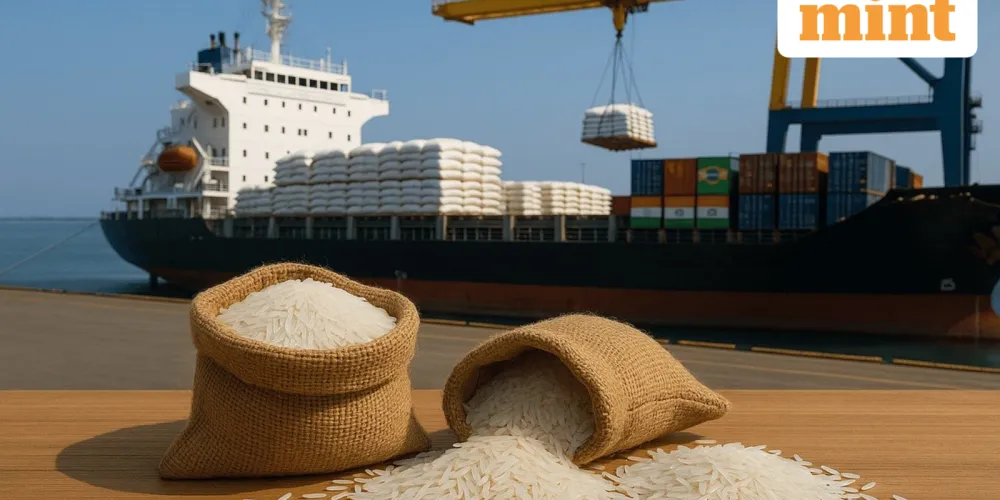
India’s basmati rice trade is coming under severe pressure as the West Asia war drives up freight rates, container shortages and supply chain bottlenecks. Mint reported that the Ministry of Ports, Shipping and Waterways is preparing to meet major shipping lines to address the disruption. The stakes are high for an export business worth close to $6 billion, with consequences for rice exporters, processors and growers tied to the premium grain trade.
Exporters say shipments to West Asia have already halted because of the conflict, while higher shipping costs are now undermining exports to other destinations as well. Ajay Bhalothia, general secretary of the All India Rice Exporters Association, said the issue had already been raised in a meeting with the Directorate General of Foreign Trade, the commerce ministry, the Export Credit Guarantee Corporation and the ports ministry. According to him, exporters were assured that the shipping ministry would soon hold discussions with major carriers over the escalating logistics burden.
The trade’s exposure to the Gulf is a central concern. Exporters estimate that about 60% to 70% of India’s total basmati exports go to Gulf markets, so disruptions there quickly translate into wider commercial stress. Freight and insurance costs have risen together, and exporters warn that the knock-on effect is spreading through global logistics chains. Bhalothia gave one example in which freight for a 20-foot container to London jumped from about $800 to $2,000, making some export shipments commercially unviable.
Industry estimates cited by Mint say consignments worth about Rs 4,000 crore are currently stuck either at Indian ports or at destination ports. To ease cash-flow pressure, the government said claims under the ECGC multi buyer open policy would be settled within 30 days of filing. Exporters were also told that additional costs such as higher ocean freight, detention and demurrage would be covered under claims, while premium rates would remain unchanged despite the worsening trade environment.
The rice industry is also asking New Delhi to extend the RoDTEP scheme, which is due to expire on March 31. Exporters argue that without continued relief on export costs and without a reduction in the logistics shock, liquidity will tighten further and contracts will be lost. With disruptions already spilling beyond Gulf-bound cargoes and affecting other routes, the basmati problem has moved from a regional shipping issue to a broader agri-trade risk for India.
Not yet comments. Be the first!
Comments · 0