
Aramco: Strait of Hormuz Disruption Threatens Oil Markets and Agriculture
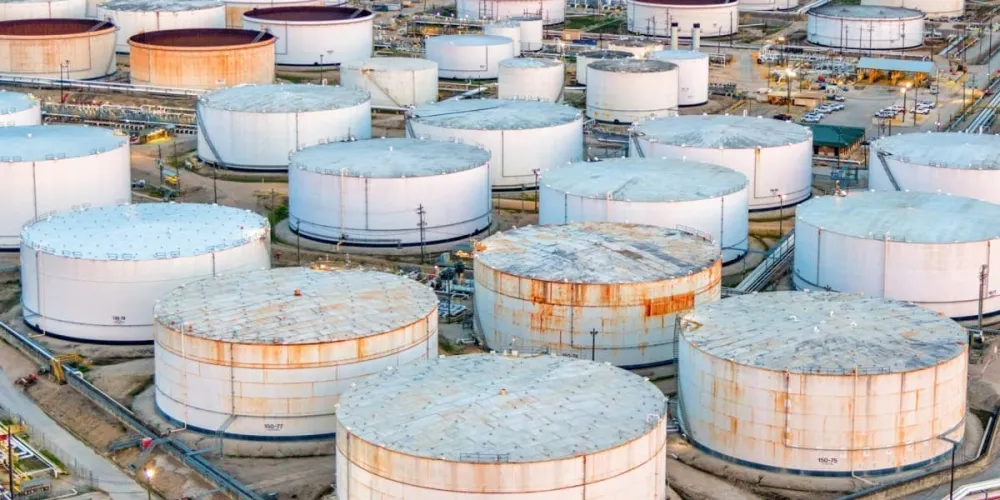
Saudi Aramco warned that continued disruption of tanker traffic through the Strait of Hormuz would have catastrophic consequences for world oil markets and the global economy, the company said on its 2025 earnings call.
Aramco chief executive Amin Nasser said the disruption will accelerate drawdowns at global oil inventories, which are already at a five-year low, tightening crude availability and pushing markets toward higher prices.
Nasser explicitly warned that the oil supply shock would have spillover effects beyond energy markets, naming agriculture among the sectors likely to be affected. Higher crude and fuel prices can raise costs for farm machinery, fertilizer production, irrigation pumping, transport of inputs and outputs, and food processing.
The warning follows a statement by Qatar that oil prices could surge to as much as $150 per barrel if the Strait of Hormuz remains closed to tanker traffic for two to three weeks, a prospect that would further strain input and logistics costs across food supply chains.
Aramco has begun reducing oil production at two fields as the disruption tightens crude exports from the Gulf. Saudi Arabia can redirect some exports to the Red Sea port of Yanbu via its east–west pipeline network, but those pipeline volumes represent only a fraction of flows lost through Hormuz.
The geopolitical environment is tense. Iran warned that 'not a litre' of oil will be exported from the Middle East until the United States and Israel stop bombing it. U.S. President Donald Trump said the war would be over 'very soon,' while a spokesman for the Islamic Revolutionary Guards Corps stated, 'We are the ones who will determine the end of the war.'
For agriculture and food systems, prolonged higher oil and fuel prices would increase production and distribution costs, potentially accelerating food price inflation and disrupting availability in import-dependent regions.
The reporting and comments are credited to Tsvetana Paraskova for Oilprice.com and were cited via Reuters on Aramco's 2025 earnings call.
Not yet comments. Be the first!
Comments