
Iran war pushes U.S. fertilizer and diesel costs higher ahead of planting
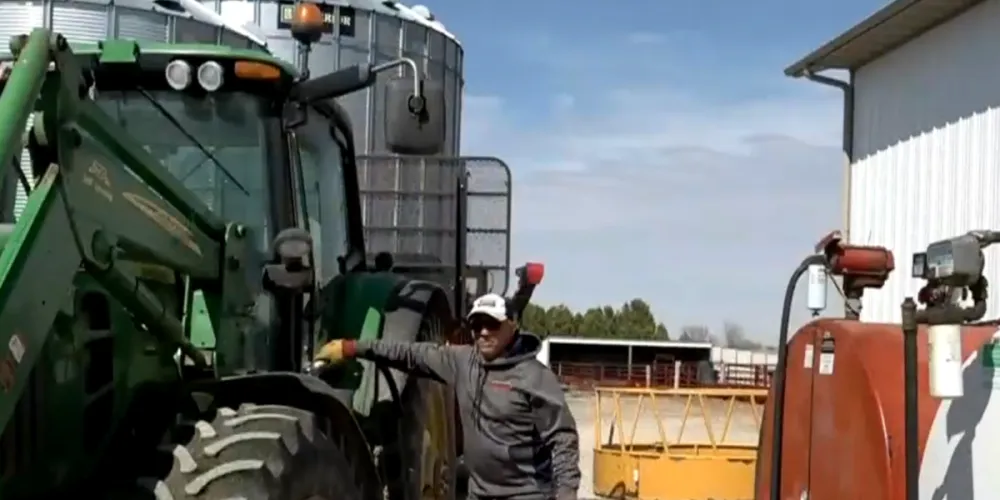
U.S. farmers are entering spring planting with another cost shock as the Iran war drives up fuel and fertilizer prices. In a CBS News report from Vinton, Iowa, farmer Lance Lillibridge said the conflict has arrived at the worst possible time for producers who were already under financial stress. For crop farms, the timing matters because the weeks before planting are when fertilizer purchasing, field work and fuel demand all converge.
Lillibridge said the war has sent diesel and fertilizer costs sharply higher just as growers need to lock in their seasonal spending. According to Oxford Economics, the price of ammonia has risen by about 20% since the start of the war, while urea is up about 50%. AAA data cited by CBS also showed diesel prices rising 43.5%. That combination affects everything from pre-plant field passes and nutrient applications to grain drying, hauling and general farm logistics.
Scott Marlow, an agricultural policy expert and former deputy administrator of farm programs at the USDA Farm Service Agency, said the consequences will be felt by both food producers and consumers. He argued that the current situation was not created by the people who grow food or the people who buy it, yet it will still have significant ramifications for both groups. His point was that higher energy and input costs feed directly into the cost of every step of production, from seed through to finished product, and can ultimately show up in grocery prices.
The report also noted that many farmers had been hoping to recover from last year's losses before the latest geopolitical shock hit. Instead, they are facing a new round of pressure in an already fragile farm economy. According to the American Farm Bureau Federation, U.S. farm bankruptcies in 2025 rose 46% from 2024, marking the second consecutive yearly increase. When farm balance sheets are already strained, another jump in fertilizer, fuel and transport costs can quickly squeeze working capital and margins.
Lillibridge said his own costs have already climbed 25% from a year earlier. For him, the issue is not only the 2026 crop year but the long-term sustainability of farming as a family occupation. He told CBS that if younger generations see only stress and shrinking returns, they will have little reason to take farms on. That is why the current spike in U.S. farm input costs is being treated as more than a temporary war-related market reaction: it is another pressure point on farm profitability and food inflation at the same time.
Not yet comments. Be the first!
Comments · 0