
Importing Beef to Lower Grocery Prices: What Consumers Should Know
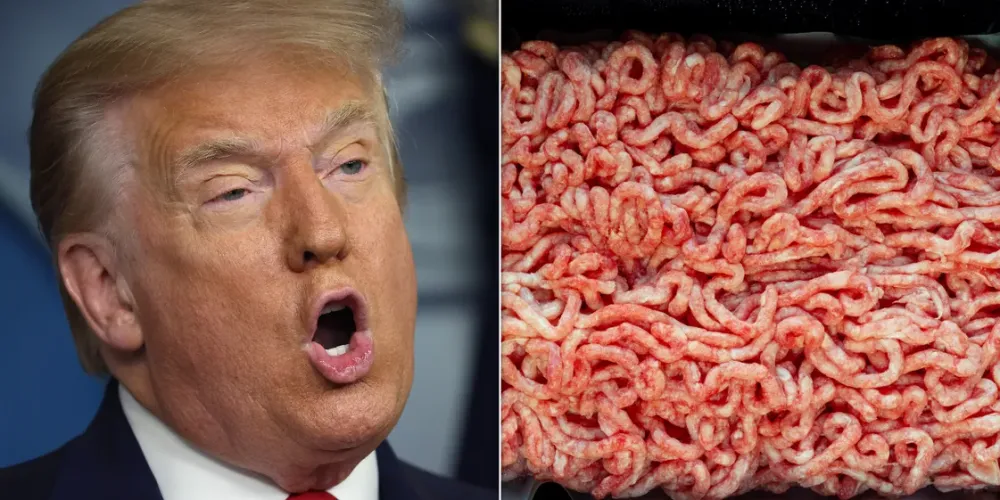
As the Trump administration seeks to curb rising food prices, the government is exploring the strategy of increasing imports of affordable ground beef. This initiative is designed to lower retail grocery prices, a significant concern for American families struggling with inflation. However, the policy of mass importing has raised serious questions among food safety experts and agricultural stakeholders alike.
At the core of the issue is the potential disparity between production standards in exporting nations and the strict safety regulations enforced within the United States. Many consumers are questioning the oversight of "cheap beef" entering the market from abroad. Critics note that imported meat may not meet domestic US requirements regarding the use of specific veterinary drugs, growth additives, and sanitary processing methods that are strictly regulated or prohibited domestically.
The agricultural community is highlighting risks associated with the potential loss of competitiveness for local farmers. An influx of large quantities of low-cost imported meat can exert downward pressure on domestic market prices, placing US beef producers at a disadvantage. Agricultural representatives argue that affordable consumer prices should not be achieved at the cost of food safety or the long-term sustainability of the domestic livestock sector.
Experts advise consumers to read labels carefully and stay informed about the origin of their meat. While imported ground beef may offer lower prices, concerns regarding hygiene and the long-term impact of such policies persist. US regulatory agencies continue to work to ensure that all meat products, regardless of their origin, meet the stringent standards set by the Department of Agriculture (USDA).
In summary, finding a balance between food affordability and the maintenance of high-quality standards remains a primary challenge for current economic policy. Consumers are encouraged to monitor updates from regulatory bodies like the FDA and USDA regarding imported goods. Ultimately, the choice rests with the consumer, who deserves transparent information about the risks and benefits associated with the meat available on supermarket shelves.
Not yet comments. Be the first!
Comments · 0