
How to Effectively Control Dandelions in Your Yard: Methods and Best Practices
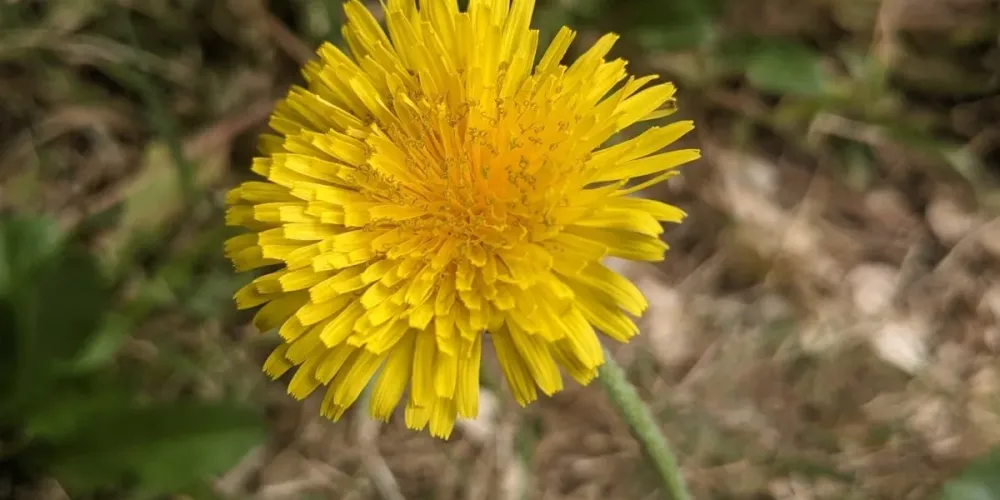
Dandelions are perennial plants found worldwide, often causing significant frustration for homeowners. Their bright yellow flowers and ability to disperse seeds rapidly make them tough competitors for healthy lawn grasses. To successfully manage dandelion populations, one must understand their biological resilience, specifically the deep taproot that allows the plant to regenerate even if only partially removed during weeding attempts.
Chemical control involves the use of herbicides. Selective herbicides, which contain active ingredients such as 2,4-D, dicamba, or mecoprop (MCPP), are designed to target broadleaf weeds like dandelions while leaving grasses relatively unharmed. Conversely, non-selective herbicides like glyphosate kill any vegetation they touch and must be used with extreme caution. Pre-emergent herbicides are also available, which help prevent dandelion seeds from germinating if applied in early spring.
Manual removal is a labor-intensive but environmentally friendly approach. For successful extraction, one should use a dedicated dandelion fork or weeding tool to loosen the soil and pull the entire plant, including the taproot. It is crucial to insert the tool at an angle to avoid snapping the root; even a small fragment left behind can lead to the regrowth of the plant, making persistence and thoroughness key to long-term success.
Cultural practices are essential for building a strong defense against weed encroachment. A dense, healthy lawn naturally outcompetes weeds. Proper mowing height, deep and infrequent watering, soil aeration to reduce compaction, and regular fertilization are all vital components of a healthy turf. Furthermore, overseeding thin patches of the lawn helps ensure that the grass cover is thick enough to prevent dandelion seeds from finding the space and sunlight necessary to sprout.
Organic and natural methods also offer viable alternatives. Vinegar, with its high concentration of acetic acid, can kill dandelion foliage, though it is non-selective and can harm desired grass if not applied carefully. Pouring boiling water directly onto the crown of the weed is another targeted method. Additionally, corn gluten meal serves as a natural pre-emergent herbicide when applied in early spring. By employing a holistic approach that combines these strategies, homeowners can keep their lawns free of dandelions while maintaining a lush and healthy landscape.
Not yet comments. Be the first!
Comments · 0