
Fuel tops €2/litre in Ireland — annual extra household costs could exceed €1,000
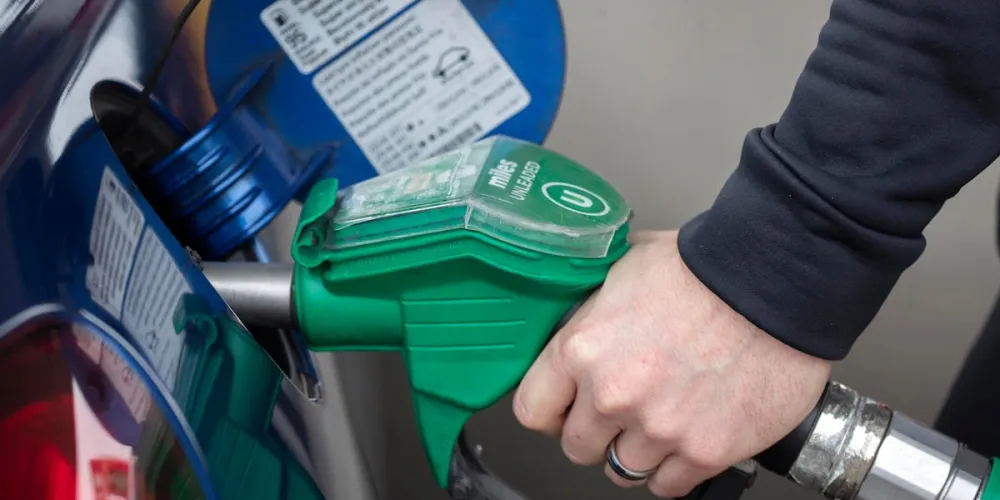
As of 9 March 2026, petrol and diesel prices exceeded €2 per litre at many forecourts across Ireland, reaching levels last seen in mid‑2022. The immediate spike follows disruption linked to the war in the Middle East.
Analysts warn that if oil prices remain elevated, the knock‑on effect could push the annual extra cost to a typical Irish household above €1,000. Key channels are higher motor fuel bills, increased domestic energy costs, pricier food and potential impacts on mortgage costs.
Breakdown of impacts: a sustained 30 cent per litre rise in motor fuel would add just over €300 to a motorist’s annual fuel spend. Separately, a 20% increase in domestic energy bills could contribute roughly €600 to annual household costs.
Concrete price move for home heating: the average cost of 500 litres of home‑heating oil in Ireland was about €880 on Monday afternoon, up from about €498 before the conflict — roughly a 77% rise in ten days.
Expert and government comment: motoring analyst Conor Faughnan said the recent spikes echo previous crises but noted markets often adjust after an initial surge. The government has opened a review of possible supports, yet ministers have not committed to immediate interventions. Tánaiste Simon Harris said it is too early to predict the duration of the conflict or policy responses.
Fiscal and sectoral effects: Kevin McPartlan of Fuels for Ireland reported that the Government’s tax take on fuel rose by about €40 million in the last week. Other specialists warn that higher oil prices will feed into food, packaging, fertiliser and transport costs through higher processing, refrigeration and import expenses.
At the time of reporting, ministers continued to assess options. The figures and expert comments are drawn from The Irish Times report of 9 March 2026 and reflect the immediate economic and household risks from the energy price shock.
Not yet comments. Be the first!
Comments