
Iran conflict threatens key oil and gas facilities — risks for diesel, aviation fuel and LPG supplies to agriculture
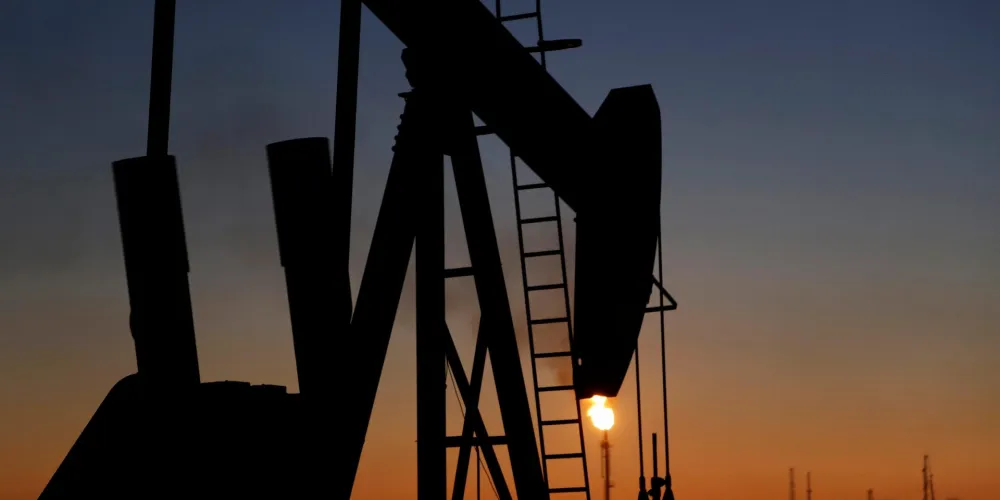
As of March 9, 2026, the Iran conflict has disrupted or placed at risk multiple major oil and gas sites across the Gulf region, creating immediate implications for agriculture supply chains that depend on fuel and gas. Shipping through the Strait of Hormuz has effectively stopped, and Brent crude jumped to about $103 per barrel from $72.97 before the war, adding pressure on costs for farm fuel, fertilizer production and crop logistics.
Qatar’s Ras Laffan LNG terminal, the world’s largest LNG export facility, was shut after a drone strike; QatarEnergy declared force majeure. Reduced LNG flows may affect industrial and agricultural users that rely on liquefied gas or regional gas markets for processing and power generation, especially in Asia.
Saudi Arabia’s Ras Tanura port and refinery — Aramco’s largest refinery and a major VLCC port — experienced a fire after a drone impact and was temporarily shut. Limits on refinery throughput endanger availability of diesel and lubricants used by farm machinery, grain handling and storage operations.
The East‑West pipeline (Aqaiq to Yanbu) in Saudi Arabia, a strategic bypass of the Hormuz chokepoint, is noted as part of the regional network. Disruption or congestion on alternative routes reduces redundancy in fuel supply for agricultural transport and irrigation-dependent farms.
Fujairah oil terminal in the UAE, a key Gulf of Oman hub for Abu Dhabi exports that avoids the Strait of Hormuz, has been reported disrupted. Interruptions at Fujairah can delay shipments of fuel and inputs needed for agro‑logistics and seasonal movements of goods.
Iran’s Kharg Island tanker terminal, which handled about 1.6 million barrels per day prewar, had an unclear operational status amid the fighting. Lower regional export volumes add to supply pressure and price volatility for fuels critical to farming and food distribution.
Israel’s offshore Leviathan gas field shut Chevron‑directed operations for security reasons. Halts in gas supply risk affecting electricity and industrial services used by food processors and cold‑chain providers in the broader market area.
Southern Iraqi fields, including Rumaila and West Qurna, cut production and Iraq suspended roughly 1.5 million barrels per day because of storage and operational pressures. Large output reductions increase the prospect of longer‑term fuel shortages and higher costs for fertilizer production, machinery operation and transport.
Verisk Maplecroft analyst Torbjorn Soltvedt warned that restarting facilities could take weeks or months and highlighted regional storage capacity limits. For agriculture this implies sustained price volatility for diesel, LPG and gas, and higher operational and transport costs that may feed into food prices and supply stability.
Not yet comments. Be the first!
Comments