
Oil spikes above $100 amid Iran war — implications for farm fuel, fertilizers and supply chains
On March 9, 2026, markets reacted sharply to the Iran war with U.S. crude briefly jumping to $119.48 per barrel before retreating to about $94.77 and falling below $85 later in the day; Brent crude settled near $98.96 then moved toward $95. These swings increase near-term cost uncertainty for farming operations dependent on fuel and petrochemicals.
U.S. equity markets recovered from early losses: the S&P 500 closed up 56 points at 6,796; the Dow Jones Industrial Average rebounded from a morning drop of more than 600 points to finish 239 points higher at 47,741; the Nasdaq Composite rose 1.4%. Market turbulence can affect agricultural credit conditions and producers’ investment timing for the season.
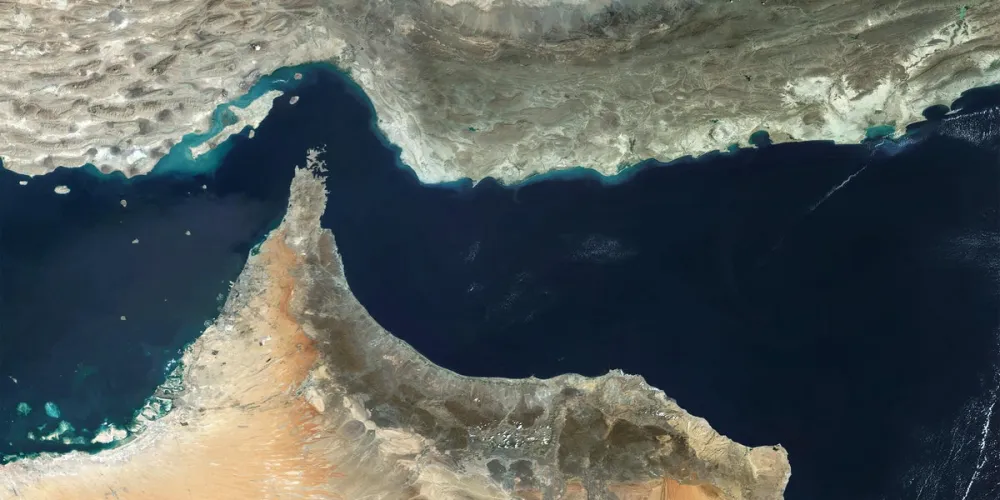
Around 20% of global oil supply transits the Strait of Hormuz. CBS News cited intensified tensions and shipping disruptions in the strait as a trigger for the oil spike. Any sustained restriction there would raise costs for diesel, liquefied gases and feedstock used in fertilizer and pesticide production, with direct effects on production costs and transport of farm outputs.
Economists warn volatility is likely to persist until hostilities ease. Ed Yardeni of Yardeni Research warned of a potential 1970s‑style stagflation scenario if ships cannot move freely through the strait. For agriculture this scenario would mean higher input costs alongside possible demand weakness for commodities.
U.S. gasoline prices already climbed: AAA reported a national average of $3.48 per gallon on Monday, up from about $3 a week earlier and $2.90 a month earlier. Rising fuel prices raise field operation and logistics costs for farmers and can squeeze margins during planting and harvest periods.
President Trump told CBS News the conflict could end soon and said the U.S. “could do a lot” if Iran blocks the Strait of Hormuz. Such comments have added to market uncertainty; the agri‑sector will monitor developments in the strait closely for their impact on fuel and fertilizer availability and prices.
Agribusinesses, cooperatives and farm managers should track fuel and fertilizer price movements and consider contingency plans for procurement and transport. Prolonged market volatility could force adjustments to planting inputs, freight arrangements and cash‑flow management on farms.
Not yet comments. Be the first!
Comments · 0