
Iran war could curb Gulf support in the Horn of Africa — risks for food supply and agri-economies
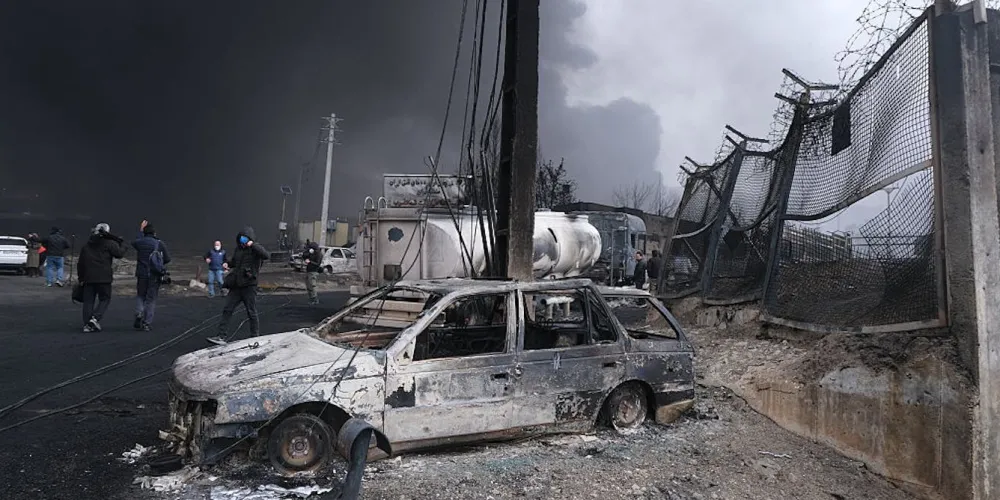
Who/what/where/when: The intensifying conflict around Iran and involvement of the US and Israel could prompt Gulf states — notably the UAE and Qatar — to reduce engagement in the Horn of Africa, a region covering Sudan, Ethiopia, Eritrea, Somaliland, Somalia and Djibouti.
Context: Over the last decade Gulf money, diplomacy and defence supplies have become embedded in the Horn’s political and security environment. Those external resources have influenced local power dynamics and the operating space for conflicts and rivalries.
Key details: If Gulf patrons refocus on their own security, practical agricultural consequences in the Horn may include lower investment in farming, disruptions to supply chains for inputs such as fertilisers and machinery, and weakened diplomatic mediation that underpins export corridors and port access.
Sudan: The Rapid Support Forces (RSF) and the Sudanese military have been reliant on external backers; a withdrawal of Gulf support — especially from the UAE, a major RSF backer — could prolong fighting and damage seasonal planting, harvest operations and internal food distribution systems.
Ethiopia, Somalia and Somaliland: Reduced high-level visits and mediation from Gulf states may slow projects and investments tied to port infrastructure and Red Sea access. That would affect export routes for agricultural produce and the import of inputs vital for crop production.
Scenarios: (1) Escalation — actors may seek to settle rivalries while external patrons are distracted, causing further disruption to agricultural production and trade; (2) Temporary cooling — parties might reassess commitments without Gulf funding, but prolonged stability is unlikely.
Turkey and Egypt: Both could strengthen their roles in the Horn if Gulf engagement wanes. For agriculture this could mean new external partnerships or leverage around water-management projects (notably Nile tensions and the GERD) and port access affecting trade flows.
Food security risks: Reduced external funding and diplomatic attention threaten supply chains for fertilisers, seeds and equipment, storage and export capacity, raising risks of lower yields, higher prices and food shortages in affected Horn countries.
Conclusion: The Iran war alters the external environment for the Horn of Africa. While internal rivalries and regional actors will continue to drive local agendas, a Gulf pullback could weaken agri-economic stability, trade routes and food security in the region.
Not yet comments. Be the first!
Comments · 0