
Crops sacrificed, losses mount for B.C. farmers grappling with historic drought
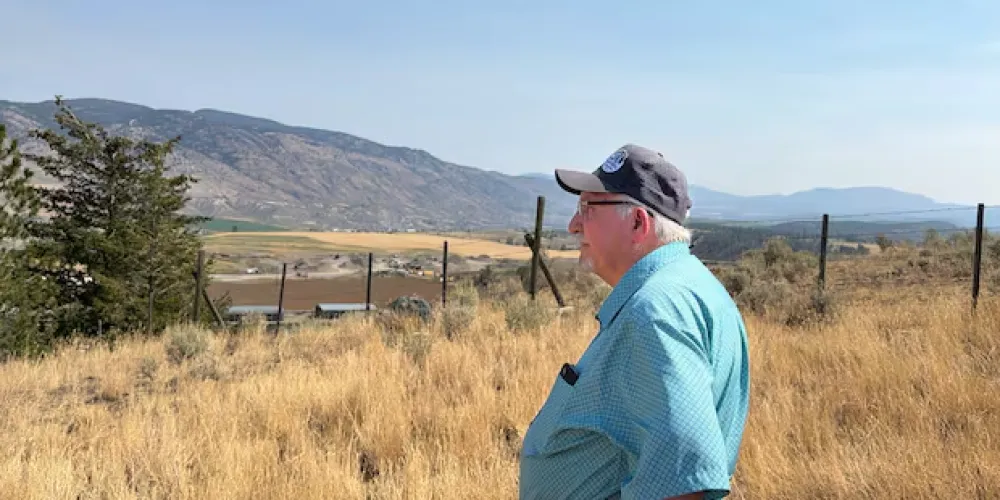
The agricultural landscape in southern British Columbia has reached a critical tipping point due to an abnormally hot summer and a lack of precipitation. While wildfire coverage often dominates headlines, regional farmers are struggling with an underlying, historic drought that has caused irrigation systems to run virtually dry. Currently, many areas within the Thompson-Okanagan region are listed at drought Level 4 or 5, the most severe ratings on the provincial scale, signaling an acute water scarcity crisis.
Farms are being forced to make difficult operational decisions. At Zelaney Farms in Coldstream, strict irrigation restrictions in place since June mean owners are preparing to sacrifice a significant portion of their vegetable harvest as mid-August rain failed to arrive. A similar situation persists at the Coldstream Ranch, where water allocations were slashed by 70 percent earlier this summer. Cattle foreman Nick Bapty reported that the facility, which manages 1,800 head of cattle, is severely lacking corn and hay, projecting a $500,000 expense to replace feed that could not be grown on their own scorched land.
Water scientist Anna Warwick Sears noted that the current conditions are the most extreme since record-keeping began in 1925. The challenge is exacerbated by the region's reliance on artificial irrigation, which is failing because low winter snowpack meant that mountainous reservoirs could not reach capacity. Furthermore, primary water sources like Kalamalka and Okanagan lakes have plummeted to historic low levels, reflecting the severity of the moisture deficit across the entire basin.
In Kamloops, the situation is equally dire. Dairy farm owner Ted Blackwell reported that his irrigation sources, including the Campbell Creek watershed, have completely dried up, leaving 120 hectares of feed corn unwatered. Blackwell estimates that the collective losses among the 130 licensees drawing from the same creek will exceed $1 million, with his personal feed replacement costs alone reaching $400,000. Many in the area have resorted to hauling water to ranges just to keep livestock hydrated.
Experts emphasize that climate change is no longer a future threat but a present reality that demands better infrastructure and strategic planning. While Bapty suggests increasing water storage capacity, he acknowledges that new reservoirs are useless without winter precipitation. Warwick Sears argues that officials must move away from reactive disaster mitigation funding and instead focus on comprehensive climate adaptation and improved water management to prevent further agricultural collapse.
Not yet comments. Be the first!
Comments · 0