
Rajasthan expands digital fertiliser sale system to support farmers
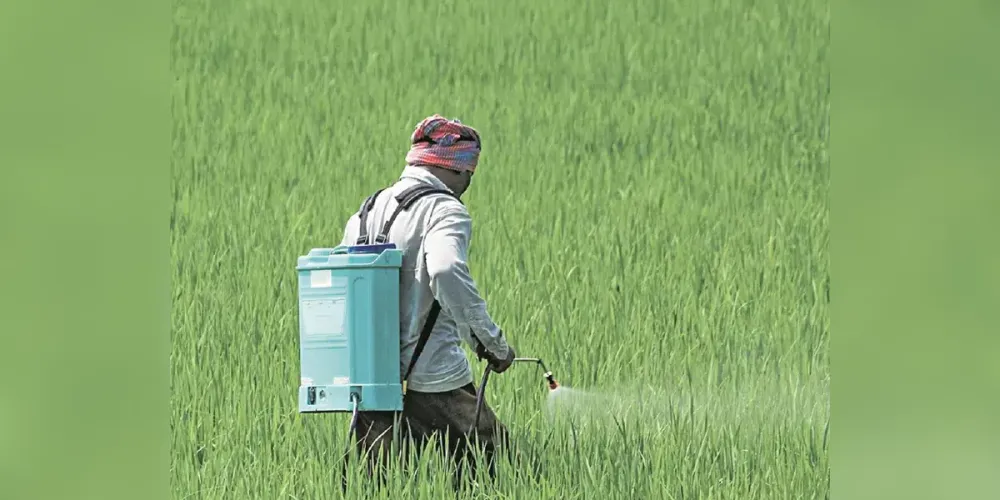
The Rajasthan government is expanding its ‘Framework for Fertiliser Sale’ system across the state in a phased manner. This digital technology-based initiative was launched to guarantee the timely and easy availability of fertilisers to farmers based on their actual requirements, effectively curbing black marketing, hoarding, and irregular distribution practices that have previously plagued the supply chain.
Agriculture Commissioner Naresh Kumar Goyal stated that the system was successfully piloted in the Sirohi and Rajsamand districts starting June 25, 2026. The results have been significant: over 12,000 metric tonnes of fertiliser were distributed to more than 78,000 farmers in these two districts alone. These positive outcomes have validated the utility of the digital, farmer-centric distribution model, confirming that technology can ensure resources reach genuine farmers rather than being diverted.
At the core of the system is a digital booking mechanism. When a farmer places an order for fertiliser based on their specific needs, a token valid for 48 hours is generated. This token allows the farmer to collect the supplies from the nearest authorized dealer within the stipulated timeframe. If the order is not collected, the booking expires, a policy designed to prioritize those with immediate, genuine agricultural needs and to maintain full transparency throughout the transaction process.
Following the success of the pilot, the state government extended the system to the districts of Bundi, Chittorgarh, Banswara, Dholpur, and Churu on August 25, 2026. Officials confirmed that plans are already underway to integrate 12 additional districts into the network, eventually covering the entire state. The project is backed by financial incentives, with the state having already received ₹175 crore for the pilot phase and expecting a total incentive of ₹675 crore upon full statewide implementation.
This digital transformation facilitates better coordination between the actual demand at the farm level and the available stock at the distribution points. By providing constant, real-time tracking of demand, supply, and distribution, the agriculture department aims to reduce farmers' time and effort while ensuring that fertiliser reaches those who need it most during the critical Kharif sowing season. The system represents a significant step forward in modernizing India's agricultural supply chain management.
Not yet comments. Be the first!
Comments · 0