
AZRK Recommends Revisions to Subsidy Mechanisms in Kazakhstan's Dairy Industry
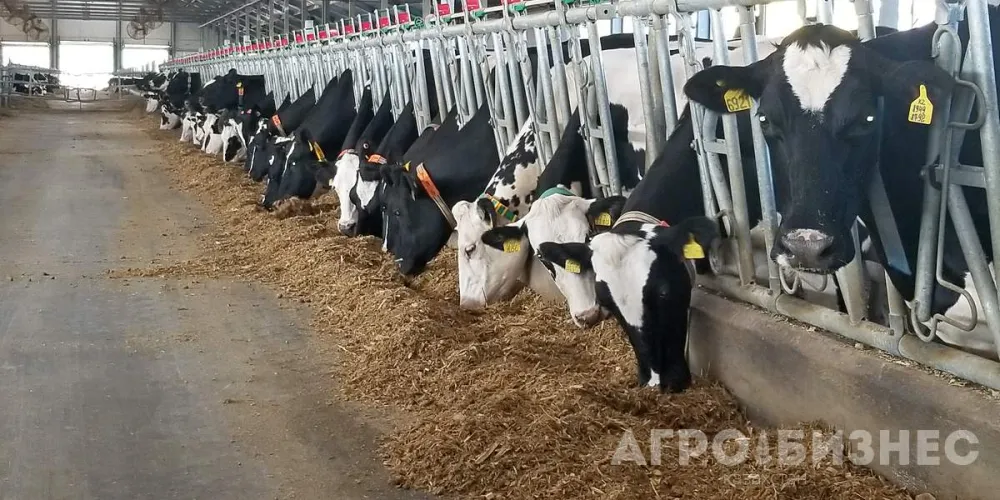
Kazakhstan's Agency for Protection and Development of Competition (APDC) has finalized a comprehensive analysis of the wholesale milk and kefir market for 2024–2025, issuing a series of reform proposals for the dairy sector. Despite positive production growth and a high share of domestic products on store shelves, retail prices continue to climb due to rising costs for raw materials, utilities, fuel, logistics, and distributors' markups. Meanwhile, dairy processors face a shortage of raw milk to operate at full processing capacity.
The agency identified excessively rigid and broad state price controls within the socially significant food products (SSFP) list as a primary systemic barrier. Currently, price caps cover the entire range of drinking milk and kefir with a fat content ranging from 2.2% to 6% in any packaging, including expensive cardboard cartons. According to the APDC, this creates an unwarranted financial burden on businesses and distorts the core purpose of social support. As a successful benchmark, the antitrust authority pointed to the chicken egg market, where the state regulates prices exclusively for a single baseline category (C1).
Additionally, the review revealed unequal access to government subsidies among agricultural producers. In 2025, total dairy production subsidies increased from 21.3 billion to 28.8 billion tenge, but 77.5% of these funds were channeled to large farming enterprises due to subsidy formulas tied directly to herd size. This disparity is further exacerbated by concessional lending rules for building and expanding dairy farms, which restrict eligibility exclusively to investment projects with at least 400 livestock heads, effectively cutting off smaller farms with growth potential.
The investigation also uncovered regional irregularities in fund allocation. In the Aktobe region, the Aktobe Social-Entrepreneurial Corporation (SEC) capped the capacity of funded dairy farms at up to 1,500 heads despite the absence of an upper lending limit—a matter currently under review by the territorial department of the APDC. In the West Kazakhstan region, authorities detected signs of unjustified preferences granted by the AQJAIYQ SEC: one entrepreneur received price stabilization funds back in 2024 but failed to supply social milk at fixed prices even during periods of inflation. Instead of facing sanctions, their obligations were extended until the end of 2026, whereas another market participant's contract was terminated under identical circumstances.
Following the market analysis, the APDC sent official recommendations to relevant government bodies. The agency advises revising and narrowing the SSFP list, adjusting subsidy allocation standards to benefit small farms, expanding their access to concessional loans, developing agricultural cooperation, and fully automating the application queue for state payments. Furthermore, the antitrust authority issued 8 official warnings to market players over price and contractual discrimination, alongside a separate warning to the AQJAIYQ SEC for granting preferential treatment to selected market operators.
Not yet comments. Be the first!
Comments