
Are voles a threat to your garden? A balanced view
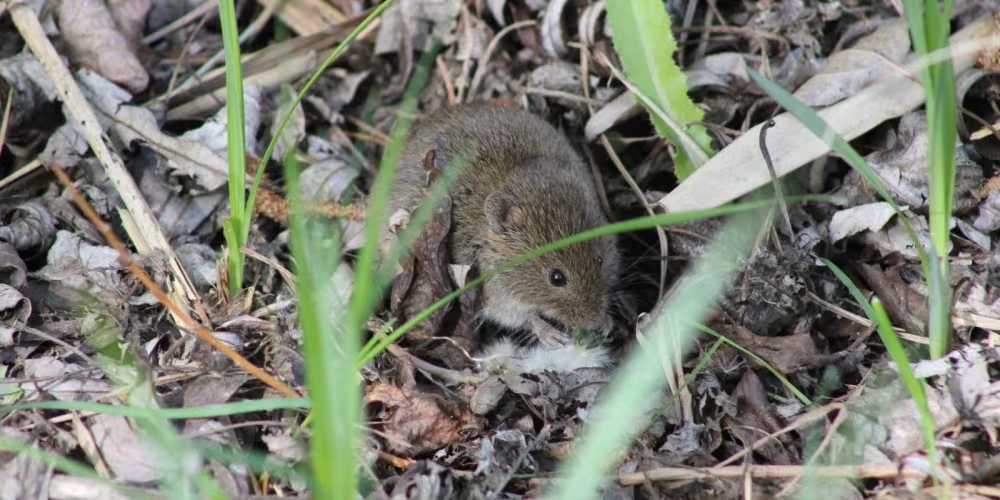
Voles are small rodents characterized by a stocky build, short tails, and small eyes and ears, often leading to misidentification with field mice or moles. As herbivores, their diet mainly consists of roots, bulbs, stems, and tree bark. Determining whether they are problematic depends largely on the intensity of their activity on your property. Recognizing their presence early, often evidenced by distinct surface runways in the grass, allows landowners to make informed decisions regarding population management.
The primary reason voles are considered pests is the tangible damage they inflict on landscapes. They create extensive networks of surface runways that ruin the appearance of lawns and kill patches of grass. In orchards and gardens, they can be devastating, gnawing on plant roots and bulbs. During the winter, they are known for tree girdling, where they strip bark from young trees, often leading to their death. For many, these aesthetic and economic losses justify the need for active control measures.
However, voles also fulfill a beneficial role within the ecosystem. Their tunneling activities help aerate the soil, which improves drainage and the distribution of nutrients to plant roots. Furthermore, they serve as a critical prey base for various predators, including owls, hawks, foxes, and snakes, thereby supporting biodiversity. Because of this dual nature, a blanket approach to eradication is often unnecessary, as small populations may coexist with garden plants without causing significant damage.
Management strategies should be tailored to the specific level of damage. If issues are minor, habitat modification is the most sustainable approach: keeping grass mown, removing dense ground cover, and using gravel instead of organic mulch near vulnerable plants can make an area less attractive to them. For high-value trees or shrubs, hardware cloth barriers buried into the ground can provide effective exclusion. Trapping can also be effective if done correctly along active runways, while the use of toxic poisons is strongly discouraged due to the risks to non-target species.
Ultimately, common mistakes in vole management, such as misidentifying the pest or improper trap placement, often lead to frustration. Rather than seeking complete elimination, gardeners are encouraged to evaluate their personal tolerance levels and the actual impact on their landscape. By focusing on environmental factors and preventative barriers, one can often maintain a healthy garden without resorting to extreme control measures that might upset the local ecological balance.
Not yet comments. Be the first!
Comments