
African cocoa and coffee growers demand pricing reforms as global markets expand
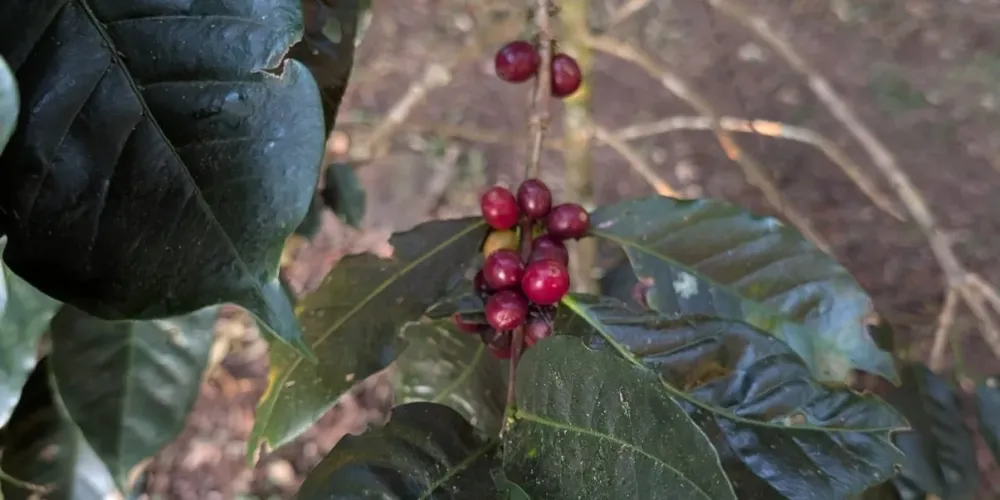
African cocoa and coffee producers, speaking through the Cocoa and Coffee Farmers Alliance Association of Africa, say the rapid expansion of global markets is not improving conditions on farms. According to the group, the global cocoa and chocolate market is projected to rise from about $169 billion in 2025 to nearly $246 billion by 2031, while the global coffee market is expected to grow from roughly $284 billion today to around $486 billion by 2035. Farmers argue that this expansion is not producing durable income gains for those who supply the raw material.
The association says smallholders across West, East and Central Africa remain exposed to sharp price volatility and often receive prices that do not cover production costs. In practical terms, that leaves households cutting back on fertiliser purchases, hired labour and climate-resilient seedlings. In some communities, the income squeeze is severe enough to force families to reduce spending on schooling and healthcare.
COCEFAAA describes growers as the shock absorbers of the global supply chain. When prices fall, farmers absorb the losses; when the value of finished products rises, the share flowing back to producers remains limited. In the organisation’s view, that imbalance is undermining the long-term sustainability of the sector because primary producers carry the climate and market risk without a comparable level of income protection.
Climate change is intensifying the pressure. Higher temperatures and shifting rainfall patterns are already reducing yields in traditional production areas, and some growers are being pushed to move into higher-altitude zones or abandon farms altogether. At the same time, the sector is turning toward more heat-tolerant varieties such as Fine Robusta, and African producers say that transition will not work in their favour unless it is backed by investment in breeding, adaptation and agronomic support.
The alliance is calling for three major policy shifts. First, it wants stronger investment in agricultural research and development, especially for drought-tolerant, pest-resistant and early-maturing crop varieties. Second, it wants more local processing capacity, including coffee roasting and cocoa processing, so that a larger share of value remains in producing countries. Third, it is calling for stronger regional coordination among African producing countries to improve bargaining power and reduce exposure to global price shocks.
The group is also urging international buyers and manufacturers to use longer-term purchasing agreements that provide more stable and livable incomes. It sees demand growth in Asia and India as an opportunity to diversify beyond traditional markets. The broader warning from producers is that a multi-billion-dollar market cannot keep expanding on paper while the farm-level economics remain in crisis, because sooner or later that imbalance will weaken production itself.
Not yet comments. Be the first!
Comments · 0