
New-Generation Soybeans: Varieties That Amaze with Yield and Protein Content
Soybeans are gradually taking an increasingly important place in Ukrainian agriculture. For many farms, this crop has become not just part of the crop rotation, but a promising source of profit. Profitability is influenced by yield, grain quality, and processor…
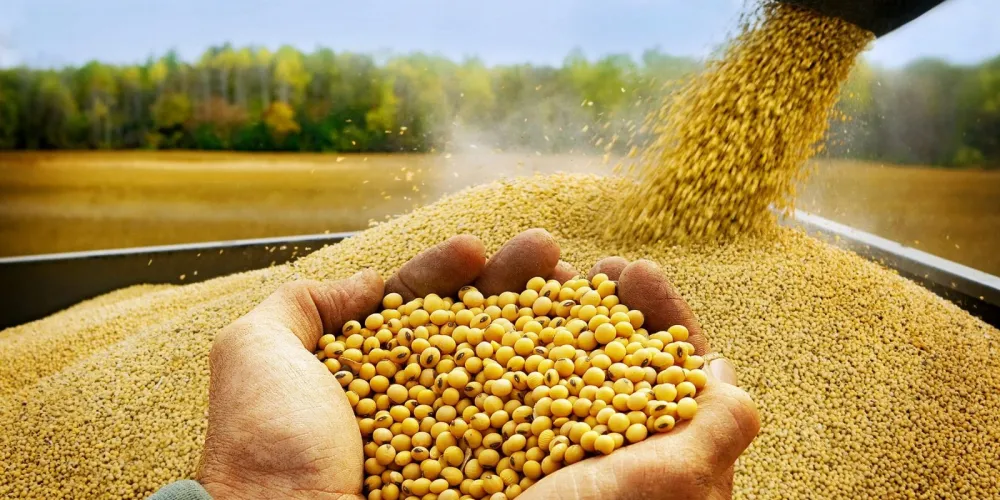
Soybeans are gradually taking an increasingly important place in Ukrainian agriculture. For many farms, this crop has become not just part of the crop rotation, but a promising source of profit. Profitability is influenced by yield, grain quality, and processor demand. That is why today's soybean price remains one of the indicators by which farmers assess the feasibility of growing the crop.
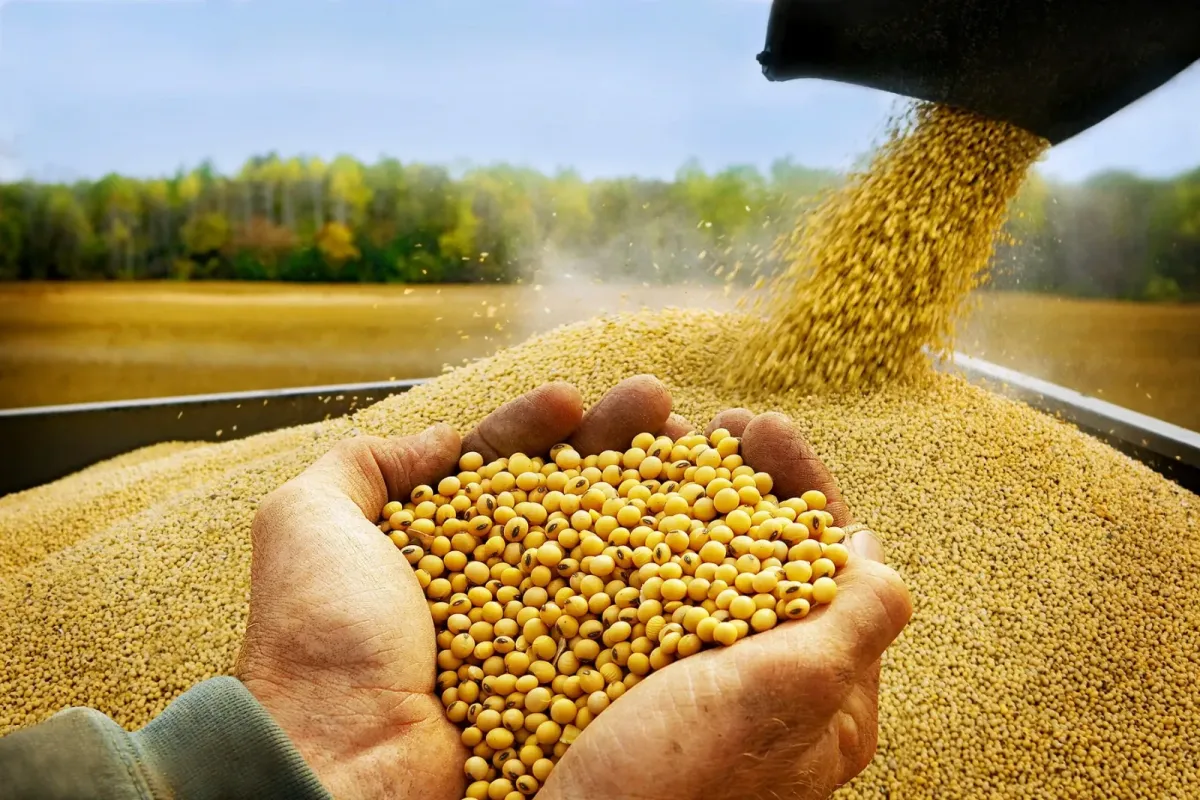
At the same time, producers are selecting varieties more carefully. High yield is no longer the sole criterion: maturity period, plant resistance, seed size, and protein content all matter. While some farms are planning where to buy corn for the next season, others are increasing their soybean acreage, counting on stable demand from processing enterprises.
The place of soybeans in the crop rotation is also of great importance. Due to symbiosis with nodule bacteria, the plant is able to fix atmospheric nitrogen. Under favorable conditions, its amount can reach about 250 kg/ha, part of which remains in the soil and plant residues. Therefore, along with the question of what wheat prices will be, farmers are also evaluating the benefits of soybeans as a precursor for subsequent crops.
Why Early Varieties Are Becoming More Popular
Weather conditions in recent years have shown how important it is to be able to complete harvesting quickly. Prolonged autumn rains can significantly complicate machinery work and jeopardize winter crop sowing.
This is precisely why early-ripening varieties are drawing interest. A striking example is RGT SIRELIA, a maturity group 000 variety with a vegetation period of about 95–100 days. This duration of development makes it possible to harvest earlier and prepare the field for winter crops in a timely manner.
During demonstration trials in the Ternopil region, the variety showed a yield of 48.8 dt/ha, and the weight of a thousand grains was 212.8 g. Protein content reached 41%, and oil content was about 20.7%. For producers, this is an interesting combination of quantity and crop quality.
Another advantage is grain uniformity. According to the results of crop processing, the share of grain that was rejected due to size mismatch was approximately 6%, whereas allowable waste rates can be significantly higher.
Resistance Is No Less Important
Even a productive variety will not live up to expectations if it tolerates adverse conditions poorly. For modern soybeans, resistance to lodging and pod shattering are essential.
In RGT SIRELIA, these characteristics were rated at 8 out of 9 for lodging resistance and 9 out of 9 for shattering resistance. This is especially important when a forced pause occurs between crop maturation and actual harvesting due to the weather.
Focus on High Protein Content
A separate direction in modern breeding is varieties with increased protein content. For traders and processors, this indicator directly affects the value of the batch.
Among promising novelties, RGT SFINXA stands out. During demonstration trials, its grain contained about 42.1% protein, which was the best indicator among the presented varieties.
In general, the RAGT Semences breeding lineup includes 25 soybean varieties, six of which were presented on the Ukrainian market. Among the new options are RGT SFINXA, RGT SALSA, RGT SATELIA, and the mid-early RGT SAKUZA.
For Ukrainian farmers, such breeding opens up more opportunities. Early maturity helps plan fieldwork better, resistance reduces the risks of losses, and high protein content increases the grain's attractiveness for processing and export. It is the combination of these characteristics that may determine which soybean varieties receive the most attention from producers in upcoming seasons.
Editorial team agronom.info
Materials are prepared by the portal's agronomists and editors. We use only trusted sources: Ukrainian agricultural universities, variety registries, open scientific publications.
Related articles
Not yet comments. Be the first!
Comments · 0