
Energy-Efficient Solutions for Greenhouses
Greenhouses play an important role in modern agriculture, allowing the retention of heat and moisture for optimal plant growth. However, the use of energy for heating and irrigation can be quite significant, especially during the winter period or in hot…

Greenhouses play an important role in modern agriculture, allowing the retention of heat and moisture for optimal plant growth. However, the use of energy for heating and irrigation can be quite significant, especially during the winter period or in hot weather. In this article, we will consider some energy-efficient solutions for greenhouses, including drip irrigation and other methods of irrigation.
1. Drip Irrigation
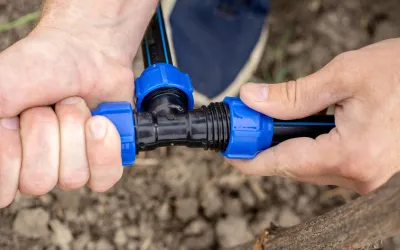
Drip Irrigation is one of the most energy-efficient methods of irrigation for greenhouses. It involves delivering water directly to plant roots through a system of drip lines or drip tapes. This method of irrigation allows efficient water use, reducing losses due to evaporation and distributing water evenly among plants. Additionally, drip irrigation helps prevent diseases, as water does not reach plant leaves.
2. Automated Irrigation Systems
Another effective solution for irrigation in greenhouses is the use of automated irrigation systems. This irrigation equipment can be programmed to deliver water at the optimal time and quantity, taking into account plant needs and weather conditions. Some automated irrigation systems also have the capability to use soil moisture sensors for precise control of moisture levels in the greenhouse.
3. Use of Renewable Energy Sources
For powering irrigation systems and greenhouse heating, renewable energy sources such as solar panels can be used to power heating or ventilation equipment. It is also possible to install panels on greenhouses and store the collected energy. This allows saving costs on other energy resources and reducing harmful impact on the environment.
Implementing energy-efficient solutions in greenhouses leads to concrete positive results. For example, using such solutions can reduce electricity consumption by 30-50%, which is well known. Drip irrigation, which efficiently uses water, can reduce irrigation costs by 50% compared to conventional irrigation. Automated irrigation systems, also known for their efficiency, can save up to 70% of water compared to conventional irrigation. Turning to renewable energy sources such as solar panels or wind turbines can reduce greenhouse gas emissions by 90% or more, as known from research. Such actions contribute to improving environmental quality and reducing the impact of agricultural activity on ecosystems.
Editorial team agronom.info
Materials are prepared by the portal's agronomists and editors. We use only trusted sources: Ukrainian agricultural universities, variety registries, open scientific publications.
Related articles
Not yet comments. Be the first!
Comments · 0