

Disease · viral
Cucumber green mottle mosaic virus
Tobamovirus kyuri
Description
Symptoms
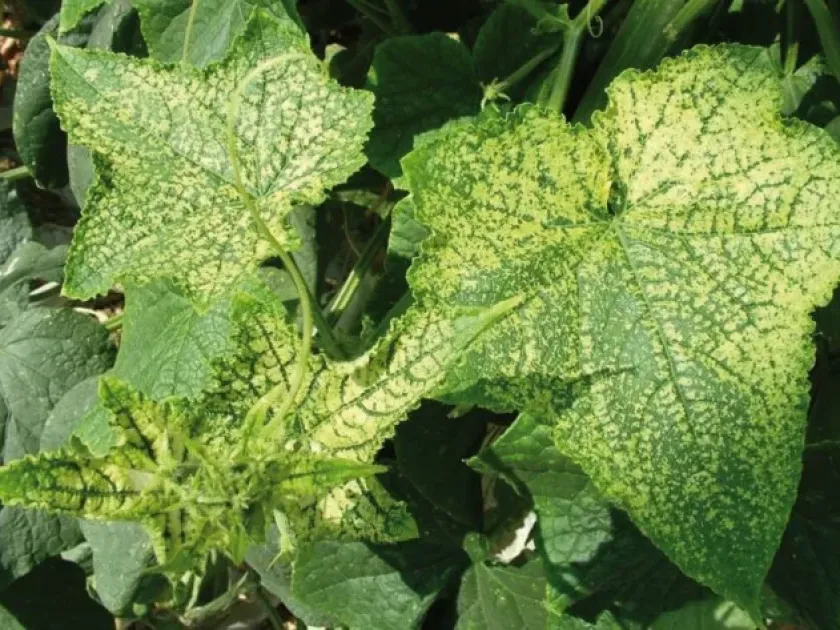
Typical symptoms include a mosaic pattern on the leaves, characterized by alternating dark green and light green patches. In many cases, leaves exhibit significant curling and wrinkling.
Stunted plant growth is a common indicator of infection, especially when the virus is introduced early in the development cycle. Internode lengths are often reduced significantly.
Infected fruits show distinct mottling, chlorotic spots, and severe deformation. Bumps and protrusions on the surface of the cucumber make them unmarketable.
The interior of affected fruits may show discolored tissues or internal necrosis, leading to poor culinary quality and bitter taste in some cucumber varieties.
- Mottled mosaic pattern on leaves.
- Deformed, bumpy fruit skin.
- Reduced plant vigor and growth rate.
- Chlorotic spots on younger foliage.
- Severe loss of commercial produce quality.
Pathogen
The causative agent of this disease is the Cucumber green mottle mosaic virus (CGMMV), which belongs to the genus Tobamovirus. It is a highly stable plant virus characterized by rigid rod-shaped particles.
The disease is a systemic viral infection that spreads rapidly within the plant tissues. It is notably resistant to heat and common environmental degradation factors.
Seed transmission is the primary pathway for the introduction of the virus into a new production area. The virus can survive on the seed coat for long periods.
Mechanical transmission is the most significant factor in the spread of the virus within a crop. Handling plants, pruning, and harvesting facilitate the transfer of viral particles.
The virus genome consists of a single-stranded RNA, which directs the production of viral proteins, leading to severe metabolic disruption and chlorosis in the host.
Conditions for development
The virus thrives under high-temperature conditions, with the most active replication occurring between 20 and 30 degrees Celsius. Greenhouse environments are ideal for its spread.
High plant density and frequent human contact in intensive greenhouse systems create optimal conditions for the physical spread of the pathogen.
Contaminated soil, tools, and clothing are critical vectors for viral transmission. The virus remains viable in infected plant debris left on the ground.
Water quality and hydroponic solutions can also act as a source of infection if the water source has been contaminated by drainage from infected crops.
Lack of proper sanitation procedures during the transition between cropping seasons leads to a buildup of the virus in the facility’s infrastructure.
Why it matters
The economic impact is primarily due to the loss of marketable yield. Deformed and discolored fruits are typically rejected by retailers and processing industries.
Viral infection disrupts the physiological processes of the plant, leading to lower fruit set numbers and reduced total biomass accumulation throughout the season.
Infection lowers the plant's resistance to secondary pathogens, which can exacerbate the situation, leading to rapid decline or death of the entire crop.
Once a greenhouse is infested, it is extremely difficult to eradicate the virus, often requiring expensive and labor-intensive sanitation programs.
Outbreaks can lead to significant financial losses, potentially forcing growers to abandon specific crops or renovate the entire greenhouse infrastructure.
Protection
The use of certified virus-free seeds is the first line of defense against CGMMV. Heat treatment of seeds can significantly reduce initial infection rates.
Strict hygiene protocols, including the disinfection of tools, footwear, and hands, are essential to prevent the mechanical transmission of the virus.
Early detection through regular crop scouting and immediate removal of symptomatic plants can prevent the spread of the virus to healthy individuals.
Implementing a rigorous crop rotation cycle and avoiding the planting of susceptible cucurbit species in the same soil helps manage the infection reservoir.
After harvest, thorough decontamination of greenhouse structures, benches, and irrigation systems using effective chemical disinfectants is necessary to ensure future crop success.
Content graph
Connections · Cucumber green mottle mosaic virus
Most often together:
Marketplace
Products · 9


Community
Discussion
No discussions yet — be the first.