
Alfalfa transient streak virus
Sobemovirus ltsv
The causal agent is the Alfalfa transient streak virus, belonging to the Sobemovirus genus. These are small, non-enveloped, spherical viruses with a single-stranded RNA genome, known for their environmental stability.
What the section contains
Alfalfa transient streak virus
The disease is classified as a systemic viral infection. The virus colonizes the plant's vascular tissues, interfering with the transport of photosynthates and causing broad physiological disturbances.
The primary host is alfalfa (Medicago sativa). The virus exhibits a relatively narrow host range among legumes, which allows it to persist in agricultural environments over many years.
In the field, transmission occurs mechanically via wounded tissues or through insect vectors. Several species of aphids and weevils are suspected to contribute to the rapid spread of the pathogen.
Furthermore, the virus can persist in crop residues and infected plant debris, establishing long-term infection reservoirs in fields where alfalfa is grown in continuous monoculture.
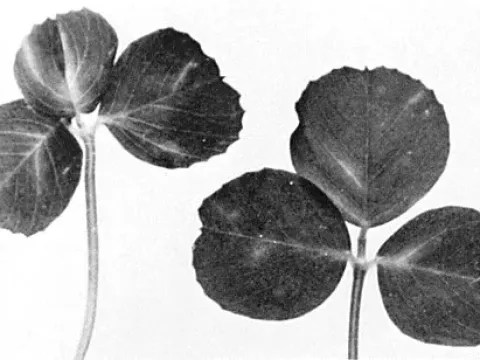
The characteristic symptom is transient chlorotic streaking or yellowing of the leaf blades. The term "transient" refers to the tendency of symptoms to appear and fluctuate in severity.
Initial signs often manifest as mosaic patterns or irregular yellow spots. As the infection progresses, these symptoms can spread across the entire leaf surface, leading to noticeable discoloration.
Infected plants exhibit stunted growth and reduced vigor. Shortened internodes are commonly observed, resulting in a bushy or stunted appearance that differentiates them from healthy plants.
Severe infections may lead to leaf deformation and premature senescence. The loss of foliage significantly reduces the photosynthetic area, which is vital for the plant's productivity.
Symptom expression is highly dependent on environmental triggers. Stressful conditions, such as drought or excessive heat, often cause the transient symptoms to intensify before they fade again.
The virus thrives under warm temperatures, which coincide with the peak growth cycles of alfalfa. These conditions not only support the virus's replication but also boost the activity of insect vectors.
High population densities of aphids and other sap-sucking insects significantly accelerate the spread of the virus. Dry seasons often correlate with increased vector migration between fields.
Dense alfalfa stands create a humid microclimate within the canopy. This environment facilitates the mechanical transfer of the virus when leaves rub against each other during windy conditions.
Agricultural operations act as major transmission routes. Cutting equipment, tractors, and livestock grazing create micro-wounds on the plant surface, providing easy entry points for the viral particles.
Inadequate field sanitation and the presence of reservoir weeds that host the virus create a dangerous cycle of reinfection, especially when fields are not properly rotated.
The primary economic impact is a substantial reduction in green mass yield. Infected stands produce significantly lower quantities of biomass, leading to considerable economic losses for farmers.
The virus compromises forage quality by altering the nutritional composition of the plant. Reduced protein content and impaired digestibility decrease the overall value of the hay produced.
Systemic viral infection weakens the root system, which impairs the plant's overwintering capability. Consequently, infected stands thin out over time and require premature replanting.
Growth recovery between cuttings is noticeably slower in infected plants. This increases the interval between harvests, ultimately reducing the number of cuts possible during a single season.
Viral infection disrupts the symbiotic relationship between alfalfa and nitrogen-fixing bacteria. This suppression reduces the soil's nitrogen levels, negatively impacting soil fertility in the long run.
The most effective strategy is the deployment of resistant alfalfa cultivars. Breeding programs focus on enhancing host resistance to Sobemovirus to provide long-lasting field protection.
Spatial isolation is crucial. Avoiding the establishment of new alfalfa fields adjacent to older, heavily infected stands helps to minimize the risk of secondary transmission.
Vector management is a key component of an integrated approach. timely insecticide applications during peak pest migration periods help to slow down the rate of viral spread.
Strict field hygiene must be maintained, including cleaning machinery between fields and removing infected plant material. Using certified, virus-free seed is also a fundamental practice.
Maintaining optimal crop vigor through balanced fertilization and proper irrigation helps plants withstand viral pressure. Healthy plants demonstrate greater resilience and better recovery from infections.