
Alfalfa mosaic
Lucerne australian
Alfalfa mosaic virus (AMV) is a plant pathogenic virus in the genus Alfamovirus, part of the Bromoviridae family, known for its extensive host range.
What the section contains
Alfalfa mosaic
The virus consists of bacilliform particles containing single-stranded RNA, which allows it to thrive in diverse climatic conditions worldwide.
Transmission occurs primarily through various aphid species in a non-persistent manner, meaning the virus is acquired and transmitted rapidly.
Seed transmission is another critical pathway, often responsible for the long-distance spread of the pathogen to previously uninfected agricultural areas.
Mechanical transmission also plays a role in the field, as the virus can be easily transferred through plant sap during harvesting or livestock grazing.
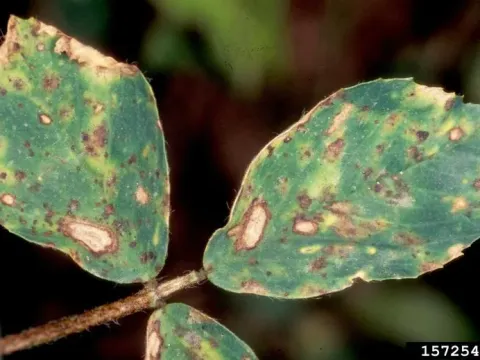
The hallmark of the disease is a yellow-green mosaic pattern on leaves, often described as a mottling of the leaf surface.
Infected plants typically show signs of stunting, with leaves that are smaller than normal and sometimes crinkled or distorted in shape.
Systemic symptoms may appear as bright yellow streaks along the veins, which eventually spread across the entire leaf blade under severe stress.
Growth reduction is often significant, leading to patchy stands where infected clusters remain visibly smaller and less vigorous than surrounding healthy plants.
- Interveinal yellowing (chlorosis).
- Leaf distortion and curling.
- Reduced plant height and biomass.
- Decline in floral development.
The spread of AMV is closely linked to the seasonal activity of aphid populations, which peak during warm and dry periods of the growing season.
High moisture levels in the soil, combined with mild temperatures, favor the lush vegetative growth that attracts large numbers of insect vectors.
Nearby wild reservoirs, including perennial weeds and other legumes, serve as primary sources of the virus during the winter months.
Cultural practices that involve mechanical disturbance, such as intensive mowing or trampling, facilitate the spread of the virus by rupturing plant cells.
The early-stage planting of alfalfa in proximity to already infected fields dramatically increases the probability of early infestation.
Alfalfa mosaic causes direct losses in hay production by significantly reducing the volume of forage harvested per hectare.
The nutritional profile of the hay is negatively impacted, as infected plants show lower protein content and reduced digestibility for livestock.
Plants weakened by viral infections are more prone to root rot and other secondary diseases, leading to premature field abandonment.
Seed production is severely compromised, with reduced seed yields and lower germination rates in harvests from infected mother plants.
Reduced cold tolerance in infected alfalfa plants often leads to high mortality rates during winter, significantly thinning the stand density.
The use of virus-free, certified seed is the most effective proactive measure against the introduction of Alfalfa mosaic into new plantings.
Managing weed populations in and around fields reduces the availability of secondary hosts for both the virus and its aphid vectors.
Timely insecticide applications can control aphid populations, particularly during the early spring when the potential for rapid spread is highest.
Maintaining proper field sanitation and avoiding the mechanical spread of sap between infected and healthy areas is essential for crop safety.
Selecting and breeding for resistant alfalfa cultivars provides the most sustainable and efficient approach for long-term management of AMV.