
Cactus virus X
Potexvirus ecscacti
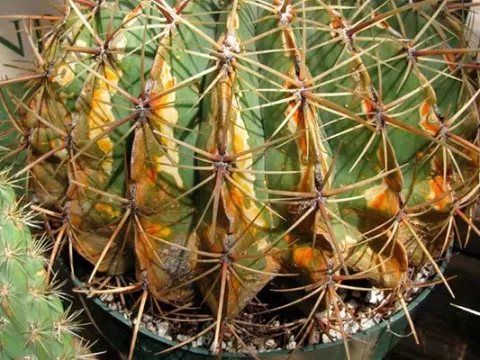
The primary symptoms of Cactus virus X infection often manifest as chlorotic spots or a mosaic pattern on the surface of the stem. Over time, necrotic lesions may develop, appearing as sunken brown or black spots on the epidermis.
What the section contains
Cactus virus X
Infected specimens show a significant reduction in growth rate, making the plant appear stunted compared to healthy ones. In some cases, stem deformation, loss of turgor, and discoloration of the epidermis may occur.
Sometimes the virus is latent, showing no obvious symptoms until the plant experiences stress, such as environmental changes or repotting. During these times, symptoms can worsen, leading to a widespread outbreak of various-shaped lesions.
Unlike fungal diseases, viral infections do not produce a fuzzy or powdery growth on the surface. Instead, the spots are structural changes in the plant's own tissues caused by systemic infection of the cells by the pathogen.
For accurate diagnosis in professional settings, laboratory methods such as ELISA or PCR are required, as the visual symptoms of Cactus virus X can often resemble sunburn or damage from piercing-sucking insects.
The causative agent of the disease is Cactus virus X, which belongs to the genus Potexvirus. It is an RNA-containing pathogen with a high affinity for infecting specific groups of succulent plants.
The virus consists of filamentous particles that, upon entering the plant cells, actively hijack the cellular machinery to replicate. This leads to the disruption of normal metabolism and chlorophyll synthesis.
The infection is systemic, meaning the virus spreads throughout all parts of the cactus, including the vascular system. Because of this, localized removal of affected tissue rarely yields positive results once the disease has established.
Cactus virus X is transmitted primarily through mechanical contact, making it extremely dangerous in group settings like nurseries or private collections. Microscopic wounds on the surface serve as infection entry points.
The biology of the pathogen is characterized as a specific agent affecting primarily the Cactaceae family. Outside the plant, the virus can remain viable on tools and surfaces for a significant period.
The main condition for the spread of the virus in a collection is contact transmission during maintenance procedures. Using non-sterile knives when cutting grafts or taking cuttings is the primary factor for infection spread.
A favorable environment for the virus is high planting density, where stems frequently come into contact. Any skin abrasion during handling facilitates the movement of the pathogen from an infected cactus to a healthy one.
Certain insect pests that damage plant tissues can also act as vectors for the virus, although contact through contaminated sap remains the most common route of transmission for this specific virus.
Conditions that weaken the plant's immune system, such as insufficient lighting, improper watering schedules, or incorrect temperature, contribute to a more rapid manifestation of viral symptoms.
Stable humidity and temperature in greenhouses may mask the presence of the virus, but during changes in growing conditions, when the plant enters an active growth phase, the virus often becomes more aggressive.
The harmfulness of Cactus virus X lies in the gradual depletion of the plant and the loss of its aesthetic and commercial value. The disease makes the cactus unsuitable for further propagation and sale.
Prolonged infection leads to tissue necrosis, which opens the way for secondary infections such as rot caused by opportunistic fungi and bacteria, significantly shortening the plant's lifespan.
The collection value of an infected specimen drops to zero. An infected plant becomes a risk factor for the entire collection, necessitating strict quarantine or immediate disposal.
The virus inhibits normal flowering; flowers on infected plants often appear stunted, deformed, and wither prematurely, preventing the collection of quality seeds or pollen.
Given the lack of effective chemical treatments for plant viral diseases, prevention is the only control method, making the infection a significant economic burden for nurseries.
The main protection strategy is strict hygiene. All tools used for plant maintenance must be disinfected with alcohol or heat-sterilized after each use on an individual plant.
If signs of the virus are identified, immediate isolation of the suspicious specimen from the healthy collection is recommended. In most cases, the infected plant should be discarded and destroyed by burning.
A critical step in prevention is controlling insect pests that may damage the cactus epidermis, as these create entry points for viral particles to penetrate the plant tissues.
When purchasing new cacti, a quarantine period of at least one month in a separate area is necessary. Only in the absence of any disease symptoms should the plant be integrated into the main collection.
- Disinfect tools with 70-96% alcohol.
- Quarantine new acquisitions for at least 30 days.
- Destroy infected specimens.
- Regular inspections of the collection for lesions.
- Control of pests (aphids, mites, mealybugs).