
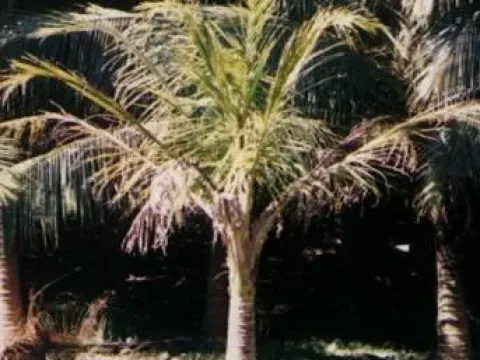
Cadmium coconut disease
Cofodevirus kokonas
Cadmium coconut disease is caused by a viral pathogen identified as Cofodevirus kokonas, which specifically attacks the vascular tissue of coconut palms.
What the section contains
Cadmium coconut disease
This virus disrupts the flow of nutrients and water within the tree, causing systemic weakness and eventual organ failure of the palm.
The pathogen is transmitted primarily through direct contact with infected plant parts, contaminated tools, or insect vectors present in the tropical ecosystem.
Because the virus affects the internal physiology of the plant, it remains hidden for an extended incubation period before visible symptoms appear.
Scientific researchers emphasize that this pathogen is particularly challenging to manage due to its ability to persist in diverse environmental conditions.
The first noticeable sign is the yellowing of lower fronds, which rapidly lose their structural integrity and begin to droop significantly.
Dark, necrotic streaks may develop on the trunk, indicating internal tissue damage caused by the viral spread through the vascular bundles.
Infected palms often show signs of stunted growth and a significant reduction in the development and size of the coconuts.
The central terminal bud, often referred to as the heart of the palm, eventually stops growing and turns brown, leading to the death of the entire tree.
- Yellowing of lower fronds
- Premature fruit drop and deformation
- Vascular necrosis indicated by trunk streaks
- Cessation of central bud growth
- Complete crown decline and palm death
Environmental conditions characterized by high humidity and consistent warmth are primary drivers for the rapid spread of the Cofodevirus kokonas virus.
Poor drainage within the soil leads to root stress, which significantly lowers the tree's natural defense mechanisms against viral invasions.
Overcrowded plantations restrict airflow, creating a stagnant microclimate that encourages the accumulation and dispersal of virus-carrying insect vectors.
Agricultural practices that involve frequent wounding of the trunk without subsequent disinfection provide easy entry points for the pathogen.
Fluctuating rainfall patterns can trigger stress responses in the palms, making them more susceptible to systemic infections during the transition seasons.
The economic impact of this disease is severe, often resulting in the total loss of marketable fruit production in affected plantation sectors.
As the disease progresses, the physiological decline of the palms renders them incapable of recovery, necessitating total removal of the infected plants.
In addition to financial losses, the disease threatens the long-term viability of coconut production in regions where this virus is endemic.
The inability to cure infected trees means that management costs for prevention and early detection place a heavy burden on farming operations.
If left unmanaged, the rapid spread of the virus can devastate local economies that depend heavily on coconut export and processing industries.
Strict sanitation protocols, including the immediate destruction of infected palms, are essential to stop the spread of the virus across the plantation.
Disinfection of all pruning tools using approved chemical solutions is a mandatory practice to prevent cross-contamination between trees.
Implementing a rigorous monitoring program helps in early detection of diseased palms, allowing for swift action before the infection reaches a epidemic scale.
Utilizing certified disease-free seedlings and promoting a diverse planting layout can enhance the overall resilience of the coconut population.
Integrated pest management focusing on controlling vector insects is a critical component in reducing the transmission rate of the virus.