
Cacao nepovirus
Nepovirus theobromatis
The causative agent is a virus belonging to the genus Nepovirus, within the Secoviridae family, specifically identified as Nepovirus theobromatis.
What the section contains
Cacao nepovirus
The viral particles exhibit an icosahedral structure and contain a bipartite genome consisting of two single-stranded RNA molecules.
This virus is a systemic pathogen, colonizing the vascular tissues of the cacao tree and disrupting its metabolic processes.
The pathogen is primarily transmitted through soil-borne nematodes, which move between the root systems of neighboring host plants.
Molecular characterization reveals its ability to persist in established trees for many years, acting as a constant reservoir for infection.
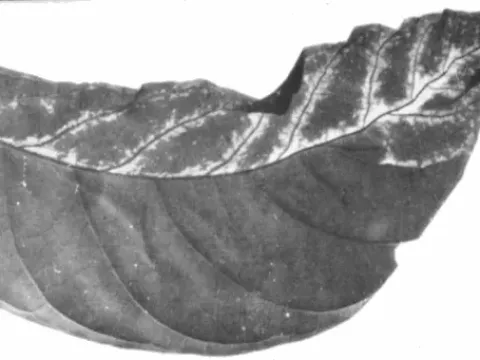
Infected cacao trees typically exhibit chlorotic spots, ringspots, and mosaic patterns on their developing foliage.
Leaf deformation, including crinkling and reduced size, is a common symptom associated with the systemic spread of the virus.
Growth stunting is frequently observed, characterized by shortened internodes and a significantly reduced canopy density.
Pods produced by infected trees are often malformed, reduced in size, and may show poor bean development compared to healthy trees.
Advanced stages of the disease lead to severe physiological decline, which may result in premature leaf drop and twig dieback.
The disease spread is highly correlated with the presence and population density of specific soil nematodes in the rhizosphere of cacao trees.
Optimal environmental conditions for the virus include high soil moisture levels, which facilitate the migration of nematode vectors.
Tropical temperatures accelerate the systemic multiplication of the virus within the host plant tissue following primary inoculation.
Poor field hygiene and the presence of weeds that act as alternative virus reservoirs contribute to the persistence of the pathogen in the landscape.
Planting susceptible varieties in areas with high nematode pressure significantly increases the incidence and severity of the disease.
The primary economic impact of Cacao nepovirus is the substantial reduction in bean yield and overall tree productivity.
Continuous infection weakens the trees, rendering them more susceptible to opportunistic fungal and bacterial pathogens, leading to decline.
Lower quality of beans harvested from infected plants results in significant financial losses for farmers and cacao producers.
The necessity for early tree removal and field replanting incurs heavy operational costs, destabilizing long-term agricultural planning.
Widespread outbreaks can devastate plantation economies, particularly in regions that lack robust viral monitoring and quarantine infrastructure.
Integrated disease management relies on the use of certified virus-free seedlings as the primary defense strategy.
Effective control of nematode vectors through soil fumigation or integrated pest management is critical to stopping the spread.
Regular surveillance and the rapid rogueing of symptomatic trees are essential to manage and contain local disease outbreaks.
Maintaining high standards of farm hygiene, including the removal of weed hosts, helps reduce the viral inoculum in the environment.
Regional quarantine regulations and strict control on the movement of plant material are vital to prevent the introduction of the virus to new areas.