
Dianthovirus
Dianthovirus
Dianthovirus is a genus of viruses in the family Tombusviridae, known to infect various ornamental and agricultural crops, most notably carnations.
What the section contains
Dianthovirus
These are small, non-enveloped, isometric viruses containing a positive-sense single-stranded RNA genome that replicates within the host cell cytoplasm.
Unlike many other plant viruses, Dianthovirus does not rely on specific insect vectors; instead, it is primarily transmitted through mechanical inoculation.
The virus particles are highly stable, which allows them to persist in infected plant debris, soil, and on gardening tools for extended periods.
Once inside the plant, the virus spreads systemically via the vascular system, reaching roots, stems, leaves, and reproductive organs.
Symptoms of Dianthovirus infection often include chlorotic spots on leaves, which may develop into distinctive ring-like patterns over time.
Infected plants typically exhibit stunted growth, with shortened internodes and a overall weak appearance compared to healthy specimens.
Flowers from infected plants often show reduced size, distorted petals, and significant fading or breaking of their natural color.
Necrotic lesions may appear on the stems, particularly at nodes, which disrupts nutrient transport and weakens the plant's structural integrity.
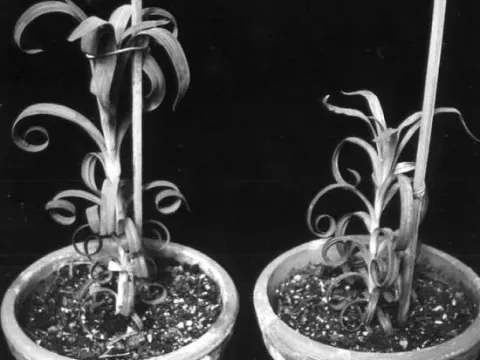
In advanced stages of the disease, foliage may curl or become brittle, leading to premature leaf drop and decreased photosynthetic capacity.
High plant density increases the likelihood of mechanical contact, which is the primary route for the spread of Dianthovirus within a crop.
Common horticultural activities, such as pruning, pinching, and harvesting, are the most frequent causes of virus transmission between plants.
The use of infected cuttings or vegetative propagules remains the most significant factor for introducing the disease into new greenhouse environments.
Optimal environmental conditions for the plant often mask the symptoms initially, but stress factors can exacerbate the disease progression.
Weed species present in or near the production area can act as asymptomatic reservoirs, maintaining the virus cycle throughout the year.
Dianthovirus causes significant economic losses in the floriculture industry due to the rapid decline in flower quality and marketability.
Systemic infection leads to metabolic disruption, causing the plant to lose vigor and eventually fail to produce commercially viable blooms.
Total losses in production are common when phytosanitary measures are neglected, necessitating the destruction of entire batches of infected plants.
The long-term presence of the virus in a facility poses a constant threat, as it can remain viable on tools and surfaces for many months.
Affected crops show reduced resilience to environmental stress and secondary pathogen attacks, further diminishing the overall yield.
The most effective strategy against Dianthovirus is the exclusive use of virus-free planting material obtained through meristem culture techniques.
Stringent sanitation protocols, including the thorough disinfection of tools using alcohol or quaternary ammonium compounds, are essential after every use.
Immediate identification and removal of symptomatic plants are critical to contain the infection before it spreads to the rest of the crop.
Implementing regular hygiene training for staff regarding the risks of handling infected material helps minimize manual transmission.
Integrated pest and weed management programs are necessary to eliminate alternative hosts that could maintain the virus reservoir near the nursery.