
Begomovirus ramiis
Begomovirus ramiis
Begomovirus ramiis is a distinct plant-pathogenic virus belonging to the Geminiviridae family. These viruses are characterized by their single-stranded DNA genome and are known to cause significant agricultural damage across diverse geographical regions.
What the section contains
Begomovirus ramiis
The virus primarily utilizes whiteflies (genus Bemisia) as vectors. These insects acquire the virus while feeding on infected phloem tissues and subsequently transmit it to healthy plants during their feeding process.
At the molecular level, the virus utilizes the host plant's replication machinery to produce copies of its genome within the nucleus of the plant cells. This process effectively hijacks the cell's resources to support viral replication.
Its ability to mutate and recombine allows the virus to adapt quickly to environmental changes and different host genotypes. This adaptability makes managing outbreaks challenging for farmers and researchers alike.
Because the virus relies heavily on insect transmission, its persistence in the environment is strongly linked to the presence and population density of the whitefly vector throughout the growing season.
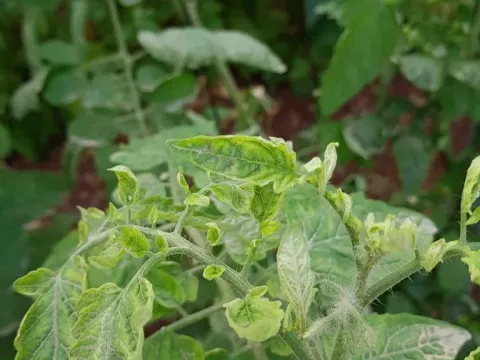
Infected plants typically display mosaic patterns on their leaves, which can range from mild yellowing to severe chlorosis. Leaf distortion, such as curling, crinkling, or stunted growth, is a common observation as the infection progresses.
A hallmark sign of systemic infection is the shortening of internodes, leading to a stunted and bushy growth habit. This morphological change significantly reduces the overall vigor and photosynthetic capacity of the plant.
Reproductive development is often compromised, leading to flower abscission or the development of malformed, non-marketable fruits. These visual symptoms make identification easier but often indicate that the internal damage is already substantial.
In severe cases, necrotic lesions may develop on the stems and leaf petioles as tissues begin to die. This systemic necrosis can lead to the total collapse of the plant if the infection occurs early in its life cycle.
Confirming the presence of the virus requires diagnostic tools like PCR, as environmental stress or nutrient deficiencies can mimic the symptoms of viral infection in the field.
The spread of Begomovirus ramiis is heavily influenced by environmental conditions that favor whitefly populations. Warm, humid climates accelerate the life cycle of the vector, leading to rapid expansion of the viral reservoir.
Weed management is critical, as many common weeds serve as symptomless reservoirs for the virus. These reservoirs allow the virus to persist in the area even during the off-season when primary crops are not being grown.
Greenhouse environments provide optimal conditions for viral transmission due to stable temperatures and controlled airflows, which often lead to higher vector populations compared to open-field systems.
The introduction of the virus into new areas is most often associated with the movement of infected plant material, such as seedlings or cuttings. Strict quarantine measures are therefore essential to limit its geographic spread.
Plants under physiological stress, whether from drought, salinity, or poor soil nutrition, show increased susceptibility to viral infection and tend to display more severe symptoms once infected.
The economic impact of this virus can be devastating, causing total crop failure in extreme cases. Reduced yields and low-quality produce often make it difficult for producers to maintain economic viability.
Marketable produce is frequently lost due to cosmetic defects such as fruit malformation, scarring, or irregular color. This loss of quality results in substantial financial losses for commercial growers.
The systemic nature of the viral infection disrupts critical metabolic processes, making the plant less resilient to other biotic and abiotic stresses. This weakened state increases the risk of secondary infections by bacteria or fungi.
Once a field is infested, the virus can quickly spread through neighboring rows, complicating containment efforts. Effective control often requires the destruction of infected plants to protect the rest of the crop.
The presence of viral residues in the soil or in neighboring crop waste can create a long-term problem, forcing growers to change their planting strategies and avoid sensitive crops for multiple seasons.
The most effective control strategy is to reduce the vector population. Implementing a rigid insecticide rotation program helps to minimize the transmission of the virus by controlling whiteflies.
Producers should prioritize the use of virus-free, certified seeds and transplants. Sourcing material from reliable suppliers reduces the risk of introducing the virus into a clean growing area.
- Implement physical barriers such as fine-mesh netting on greenhouse vents.
- Use yellow sticky traps to monitor and reduce local whitefly populations.
- Maintain a strict weed control program in and around the growing area.
- Remove and destroy symptomatic plants immediately to prevent further viral spread.
- Adopt resistant cultivars where available to provide an inherent layer of protection.
Integrated Pest Management (IPM) practices, which include the use of biological control agents like Encarsia formosa, contribute to sustainable disease suppression.
Continuous monitoring and early detection are vital components of any management plan. By acting quickly, farmers can significantly lower the risks associated with Begomovirus ramiis.