
Davidiella
Davidiella
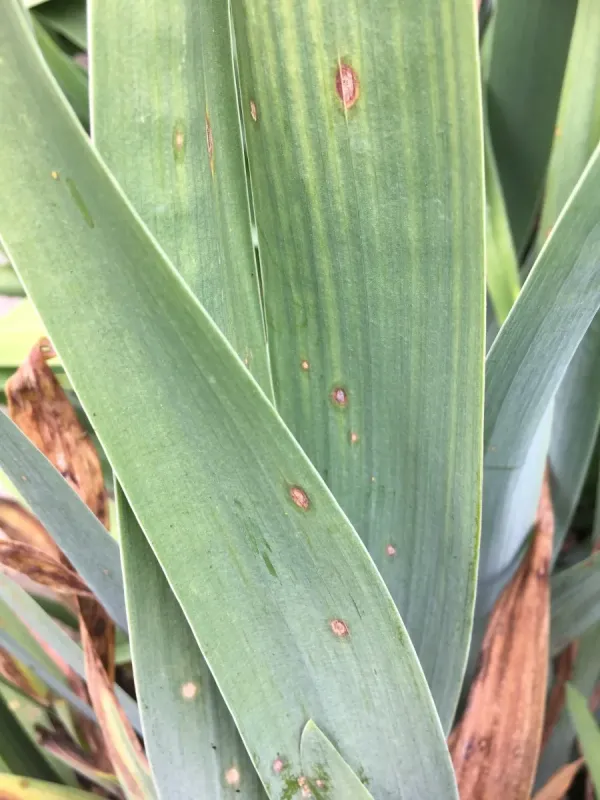
Description
Symptoms
Initial symptoms are usually characterized by small, discrete spots on leaves that may enlarge, coalesce, and eventually lead to significant tissue necrosis.
The most diagnostic feature is the appearance of a dark, olive-green to black, velvety mold on the surface of the lesions, representing the masses of fungal spores.
As the infection progresses, affected leaves exhibit yellowing (chlorosis), wilting, and may drop prematurely, significantly impacting the plant's structural integrity.
In cases where the infection spreads to fruits or flowers, the pathogen causes sunken, discolored lesions that frequently become covered with the characteristic fungal growth.
- Development of small necrotic spots on foliage
- Velvety olive-green mold on the underside of leaves
- Premature yellowing and leaf abscission
- Damage to fruits reducing overall quality and shelf life
Pathogen
The disease is caused by fungi belonging to the genus Davidiella, which represents the teleomorphic stage of common plant-pathogenic fungi such as Cladosporium.
As an ascomycete fungus, it produces specialized sexual fruiting bodies known as pseudothecia, which allow the pathogen to survive during adverse environmental conditions.
The life cycle of the pathogen encompasses both saprotrophic activity on dead plant matter and parasitic behavior on healthy, living host tissues.
Conidia (asexual spores) serve as the primary means of dispersal, being easily carried by wind currents, splashing rain, or human activities within agricultural fields.
Research confirms that Davidiella tassiana is a widespread species complex capable of infecting a vast range of plant hosts, manifesting primarily as various leaf spots.
Conditions for development
High relative humidity, typically exceeding 80–85%, is the primary factor that triggers the rapid germination of spores and the subsequent infection of host tissues.
Optimal temperatures for the development of Davidiella generally fall within the range of +18°C to +26°C, allowing for rapid colonization during the growing season.
Poor aeration in dense plantings or enclosed greenhouses creates a stagnant microclimate that retains moisture on the foliage, facilitating the penetration of the fungus.
Prolonged leaf wetness due to heavy dew, fog, or overhead irrigation is essential for the fungus to successfully complete its infection process.
Plants that are already weakened by nutrient deficiencies, pest pressure, or mechanical wounds are significantly more susceptible to severe infection than healthy specimens.
Why it matters
The primary impact of the disease is the reduction of the leaf area available for photosynthesis, leading to stunted plant growth and decreased metabolic efficiency.
Severe infections often lead to defoliation, which deprives the plant of the energy required for fruit set and development, directly resulting in yield losses.
Fruit quality is severely compromised, as the lesions create entry points for secondary pathogens and render the harvest unattractive for the commercial market.
Chronic presence of the pathogen in an agricultural system necessitates constant monitoring and repeated chemical interventions, increasing total production costs.
Total crop failure can occur under high-pressure conditions, especially in susceptible cultivars or during seasons characterized by persistent humid and warm weather.
Protection
Effective management begins with robust cultural practices, including crop rotation and the destruction of infected crop debris to reduce the initial inoculum level.
Improving air circulation within the canopy through proper spacing and pruning helps to lower the humidity levels around the foliage, making the environment less favorable for the fungus.
The selection of resistant or tolerant cultivars is a strategic priority in areas prone to this disease to minimize reliance on synthetic fungicides.
Integrated Pest Management (IPM) programs should incorporate timely applications of preventative or curative fungicides when environmental conditions favor disease development.
Proper nutrient management, particularly ensuring a balanced supply of potassium and phosphorus, helps reinforce plant tissue and improves overall disease resistance.
Discussion
No discussions yet — be the first.