
Dermateaceae
Dermateaceae
Description
Symptoms
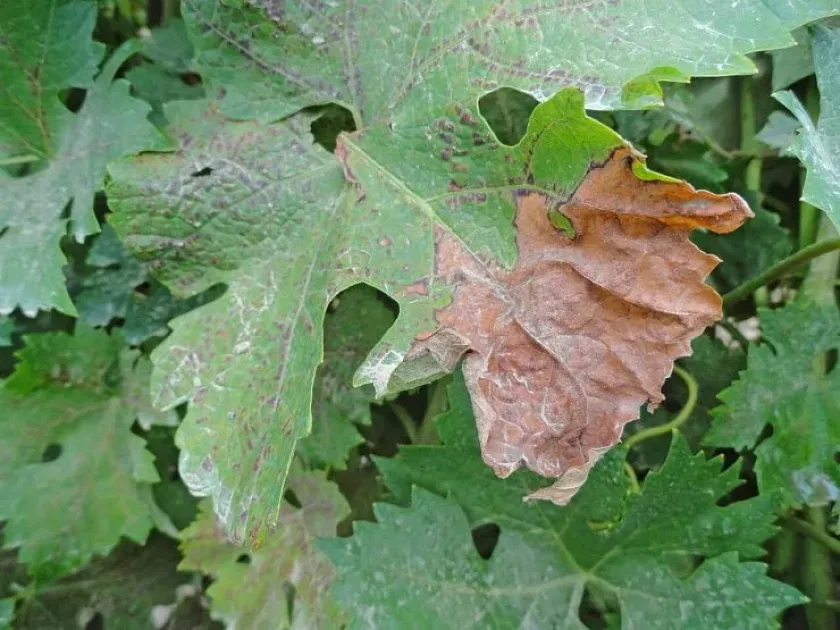
Initial symptoms of infection manifest as local necrotic spots, which increase in size over time. Small dark structures — the fungus's spore-bearing organs — often form on the surface of these spots.
Another characteristic sign is tissue necrosis along leaf margins or on shoots, leading to premature leaf drop. Under conditions of high humidity, a faint fungal growth may appear on the damaged areas.
When stems are infected, bark cracking and ulcer formation occur, which impede normal sap flow. This leads to stunted growth of the plant and deformation of individual organs.
On fruits, the disease appears as depressed spots that may coalesce over time, causing rot during the ripening period. This significantly reduces the commercial value of the yield.
For accurate diagnosis, one must consider the localization of symptoms, as many Dermateaceae species affect specific plant tissues, such as only the leaf parenchyma or vascular bundles.
Pathogen
The family Dermateaceae includes a group of ascomycetous fungi, many of which are specialized parasites of higher plants. Among them, there are well-known pathogens causing anthracnose and various types of leaf spots.
The life cycle of these pathogens involves the formation of fruiting bodies known as apothecia, which typically have a saucer or cup shape. They are often embedded within the host plant tissues or develop on their surface.
These fungi have the ability to persist for a long time in infected plant debris, soil, or tree bark. During the growing season, they spread via conidia, which are dispersed by wind or rain splashes.
A biological feature of these pathogens is their high adaptability to various temperature regimes. They are capable of infecting both herbaceous crops and woody species in forest and agricultural plantations.
The taxonomy of Dermateaceae is constantly being refined through molecular-genetic methods, which allows for more accurate identification of species causing economically significant diseases in crops.
Conditions for development
The primary factor promoting infection development is prolonged moisture on the surface of leaves and stems. Air humidity above 80% facilitates rapid germination of fungal spores.
The temperature optimum for the development of most Dermateaceae species ranges from +15 to +22 degrees Celsius. Cool and rainy spring weather creates ideal conditions for initial infection of young shoots.
Dense, poorly ventilated plantings promote the accumulation of pathogenic microflora within the agrocenosis. Improper plant spacing makes crops more vulnerable to wind-borne spores.
Weakened plants due to mineral nutrient deficiencies or mechanical injuries facilitate the penetration of the fungal mycelium into the host tissue. Healthy and strong crops have better resistance.
The presence of infection sources nearby — such as abandoned orchards or unharvested plant debris — significantly increases the risk of epiphytotics during the season.
Why it matters
The harm caused by these fungi involves a substantial reduction in the photosynthetic area of leaves, which directly impacts crop productivity. Plants lose the energy required for fruit formation.
Infection of stems can lead to lodging in cereals or the breaking of branches in fruit trees. This physical weakening of the plant structure makes it impossible to obtain high-quality yields.
In some cases, there is a total loss of commercial appeal for the produce, as necrotic spots and ulcers become entry points for secondary infections like bacterial rots.
Economic damage includes the cost of fungicide treatments and losses from the disposal of unmarketable raw materials. In years with favorable weather for the fungus, losses can reach 30-50%.
Beyond direct damage, Dermateaceae pathogens can contribute to the premature aging of plants, shortening the vegetation period and reducing the winter hardiness of perennial crops.
Protection
The basis of control is the practice of crop rotation, which breaks the pathogen's development cycle in the soil. It is recommended to rotate crops on the same field every 3-4 years.
An important step is the deep incorporation of plant debris into the soil, where the fungus loses its ability to sporulate actively. Timely cleaning and destruction of residues are mandatory.
The use of chemical fungicides, including copper-based preparations and systemic agents from the triazole group, is effective in the early stages of the disease.
Agrotechnical measures include regular thinning of plantings to ensure proper ventilation. This reduces humidity in the root zone and on the leaf surface.
The use of resistant cultivars and hybrids remains the most cost-effective method of prevention. Breeding programs allow for the selection of plants that are genetically protected against specific pathogens.
Discussion
No discussions yet — be the first.