
Plectosphaerellaceae
Plectosphaerellaceae
Description
Symptoms
Early clinical signs of Plectosphaerellaceae infection often involve subtle wilting during the hottest parts of the day. As the disease progresses, the wilting becomes persistent, and the lower leaves typically show chlorosis and necrosis.
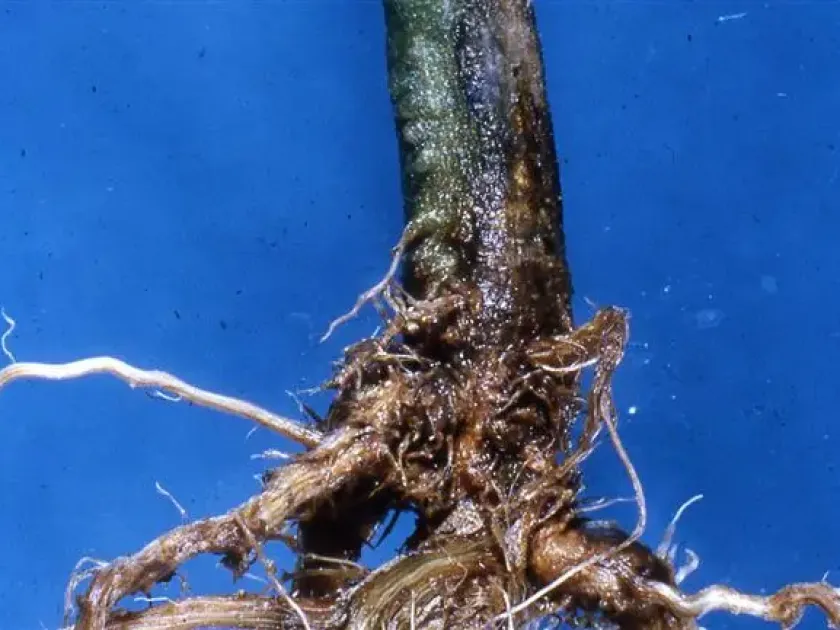
Root systems show clear symptoms of decay, characterized by browning, softening, and tissue disintegration. The loss of lateral roots is common, which significantly weakens the plant's ability to anchor itself and absorb nutrients.
Stems may display discolored lesions, particularly at the soil line. In advanced cases, these lesions can expand to girdle the stem, cutting off the supply of water and nutrients to the upper foliage, which leads to sudden collapse.
Foliar symptoms may include irregular spots or patches with fuzzy fungal growth, especially in high-humidity conditions. The leaf tissue around these spots eventually turns brown and shrivels, reducing the total photosynthetic area.
A microscopic examination of stems and roots often reveals internal vascular browning. This indicates that the fungus is actively moving through the plant tissues and producing toxins that contribute to the host's decline.
Pathogen
The Plectosphaerellaceae family comprises a group of ascomycetous fungi that are increasingly recognized as significant plant pathogens. Key genera within this family include Plectosphaerella, Gibellulopsis, and Verticillium species that impact various agricultural and horticultural crops.
These fungi are characterized by their ability to form septate hyphae that invade plant vascular systems. Reproduction occurs through the production of conidia, which serve as the primary inoculum for spreading the disease within a field or greenhouse environment.
A critical biological feature of these pathogens is their capacity to survive in the soil for extended periods as chlamydospores or sclerotia. These resting structures are highly resistant to desiccation, temperature fluctuations, and soil pesticides, making them difficult to eradicate.
Infection typically initiates in the root zone, particularly where tissues have been damaged. Once inside, the fungus colonizes the xylem vessels, obstructing water transport and leading to systemic wilting symptoms in the host plant.
The taxonomic classification of this family has undergone significant revisions due to modern molecular methods. Understanding the specific biology of these fungi is essential for developing targeted integrated pest management strategies.
Conditions for development
High moisture levels in the soil are the primary driver for Plectosphaerellaceae infections. Poor drainage and over-irrigation provide the ideal environment for these water-loving fungi to germinate and colonize host tissues.
The optimal temperature for pathogen activity ranges between 20°C and 26°C. These moderate temperatures allow the fungus to grow rapidly and produce abundant spores during the peak of the growing season.
Crop debris left on the field from previous years provides a reservoir for the pathogen to thrive as a saprotroph. The fungus can persist in the soil for years, meaning that even a short break in host cultivation may not eliminate the inoculum entirely.
Mechanical stress, such as root pruning during cultivation or transplanting shock, acts as a primary entry point. The fungus exploits these wounds to bypass the plant's natural defenses, leading to rapid infection.
Crowded planting schemes in greenhouses can limit airflow, creating humid microclimates that favor sporulation. High humidity on leaf surfaces increases the risk of aerial infection from splashing water contaminated with fungal spores.
Why it matters
The economic impact of Plectosphaerellaceae is substantial, often leading to reduced yields and poor crop quality. Total loss of affected plant patches is common, especially in high-value vegetable production.
Infected produce often exhibits poor shelf life and susceptibility to post-harvest decay. This loss of quality can lead to financial losses during storage and transport, affecting the entire supply chain.
The physiological stress caused by the fungus reduces the plant's ability to produce quality fruit, resulting in smaller, misshapen, or nutritionally deficient produce. This lowers the market value of the harvest significantly.
Field infestation by these pathogens necessitates long-term changes in land use. Farmers may be forced to abandon certain crops in affected areas or invest heavily in soil decontamination measures.
The potential for these pathogens to be seed-borne increases the risk of spreading the disease to new regions. This makes the certification of clean planting material a high priority for the agricultural industry.
Protection
Effective management begins with strict crop rotation practices. Avoiding the cultivation of susceptible hosts for several years on the same plot is crucial for reducing the soil-borne inoculum density.
Using certified, disease-free seed and seedlings is the most effective preventative measure. Implementing seed treatments with biological or chemical agents can protect the crop during the most vulnerable germination stage.
Improving soil drainage and optimizing irrigation schedules are essential for creating an unfavorable environment for fungal development. In greenhouses, fans and proper spacing can help manage humidity levels effectively.
Biological control agents, such as Trichoderma species, are widely used to suppress fungal pathogens in the rhizosphere. These beneficial organisms compete for space and nutrients, effectively limiting the establishment of the disease.
- Implement sanitation measures to remove infected crop residue.
- Use resistant or tolerant cultivars where available.
- Disinfect farming equipment regularly to avoid cross-contamination.
- Monitor soil pH and maintain optimal nutrient levels to support plant vigor.
- Apply fungicides as a last resort, following integrated pest management guidelines.
Discussion
No discussions yet — be the first.